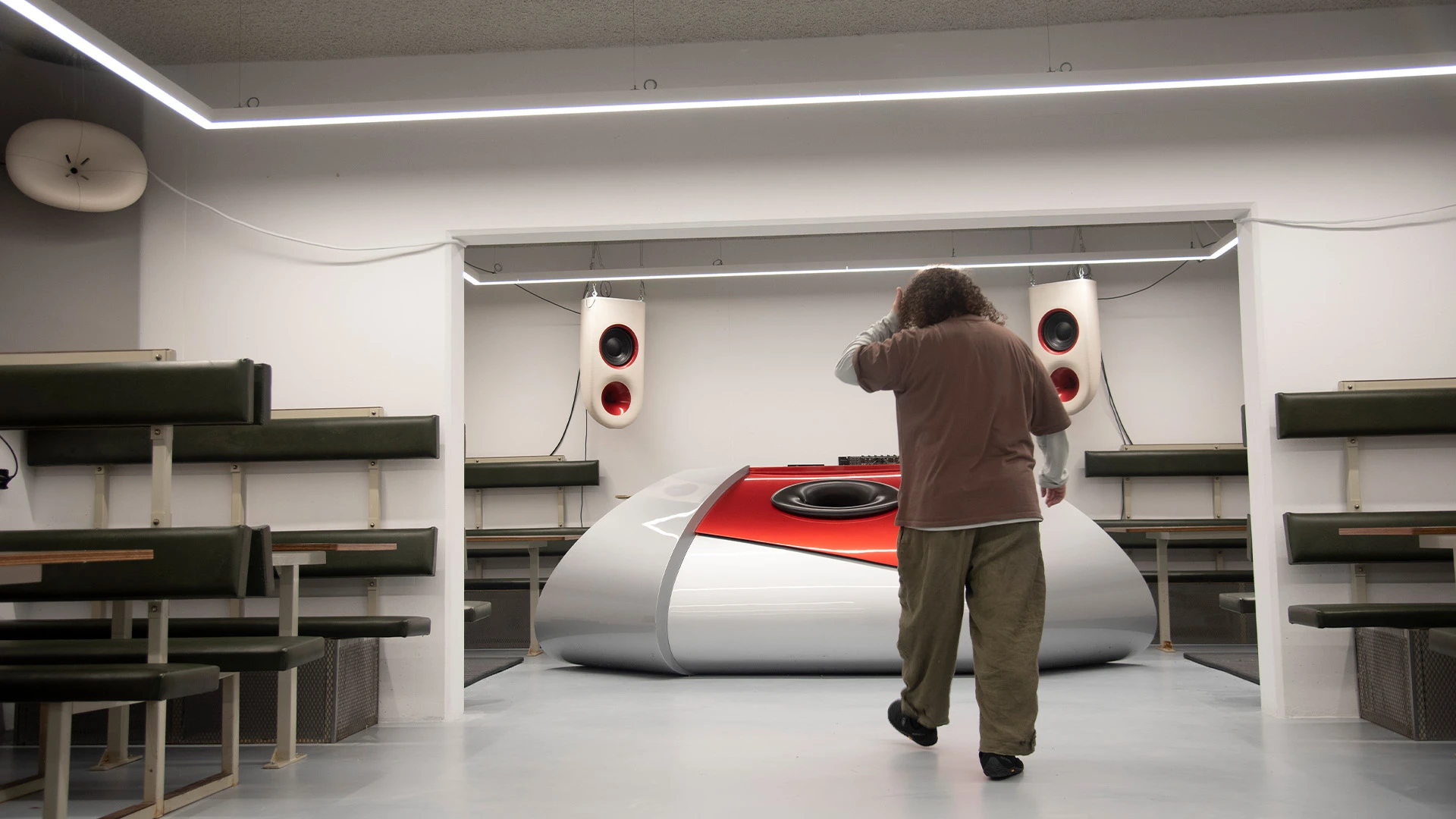
Where there is a will, there is a way. Last year, Subterra opened in The Hague as an 800m² underground music studio hub. It was made possible through support from the municipality, which saw an opportunity to align it with its City Archive plans. Realised in a former atomic shelter bunker in the city centre, it shows how policy makers and emerging music communities can collaborate in practice. With space shortages and gentrification pushing experimental and nightlife scenes to the margins, it asks what other cities can learn from this model.
A delicate dance
The relationship between governments and the electronic music industry has always been one with friction. From licensing issues around opening hours, to noise and safety issues, as well as space-making difficulties with development plans that brush aside nightlife. In general, independent music and art scenes have always had to fight for their rights to exist. There are some exceptions, though. Sydney is working on a successful ‘Vibrancy Reform’ to revitalise nightlife after years of strict policies that kept night and club life in a chokehold. Toronto’s Music Industry Strategy aims to ‘facilitate industry growth in Toronto’s ‘vibrant yet challenging music industry’. In the Netherlands, night mayors were allocated in 2003, and in 2012 Amsterdam introduced 24-hour opening licenses for venues, following Berlin's lead. Up until today, the Dutch night mayor movement is advocating for 24-hour licenses worldwide with the aim to foster a healthy nightlife ecosystem where independent creativity can flourish. Past decades have shown that the right for independent scenes to exist is not merely a case of claiming space, but one of being recognized in the first place.
The fight for recognition
Even though research and archiving platforms like Vibelab point out a small rise in the recognition of electronic and club culture as heritage, space issues are still prominent. In December 2025, MVT pointed out that film studios were granted 40% tax relief as critical infrastructure, while music venues were not – once again exposing unequal recognition. Also, recognition doesn’t always come with protection. The granting of the German Immaterial Cultural Heritage status to Berlin techno culture in 2024 didn't prevent the closing of vital venues such as Watergate and Wilde Renate. Beyond clubs, the broader cultural ecosystem – studios, radio spaces and community-driven breeding grounds – faces increasing uncertainty. Next to club spaces, vital breeding grounds and community areas face uncertainties. In 2025, THE LOT Radio faced renovation permit issues, resulting in a closure and an eight-month revenue gap. In Amsterdam, fringe spaces and cultural venues in general are being pushed out of the city more and more by the year.
Why is it that, in the very cities where music and artistic innovation thrive, these ecosystems are being pushed out? Because while cities increasingly rely on culture to drive economic growth, attract talent, and shape their international identity, the spatial and regulatory frameworks they operate within are not designed to sustain it. The result is a structural contradiction: the same forces that benefit from these scenes are often the ones pushing them out. Is there a way municipalities, governments and nightlife can get back in sync? The Hague might be an example of how things could work differently.

Entering The Hague
The Hague is known globally as a political capital, but within the Netherlands it has quietly developed into a concentrated node of electronic music culture. Sitting between Amsterdam’s scale and Rotterdam’s industrial experimentation, the city has produced a tightly woven network of artists, labels and radio platforms that operate just below the surface of its institutional identity.
These producers build upon a rich history of The Hague’s and Rotterdam’s electronic music culture, the so-called Dutch West-Coast sound. This is where multiple genres, from hardcore, to tekno, and electro found sufficient ground with artists such as Guy Tavares, Dj Overdose I-F, Legowelt, as well as globally recognised distributors and record shop Clone Records, and the record label Bunker Records. The documentary When I sold my Soul to the Music from 2004 draws a telling image of this community. Later in 2008, I-F started his radio platform Intergalactic FM – which plays an important role in further development of the scene. This history could use a feature of its own, and we highly recommend looking up the Stroboscopes And Smokemachines project for some interesting documentary work that has already been done.
These days, The Hague’s electronic scene is mostly known for its yearly festivals Rewire and The Crave, their clubs Pip Den Haag and Club Laak, and the radio station Future Intel. Compared to other Dutch cities of similar size in the region, such as Rotterdam and Amsterdam, the city produces a disproportionate amount of talent relative to its scale, with a dense network of producers, collectives and labels operating locally and internationally. Alongside this, the city also hosts a strong visual and art ecosystem, anchored by institutions such as the Royal Hague Art School but also adventurous multifunctional art venues like The Grey Space In The Middle and Nest, which feeds into and overlaps with its broader creative field.
Nomadic scenes, unstable infrastructures
Yet, despite the overflow of creativity, a larger infrastructure that supports these scenes is missing. Like many cities, musical and artistic initiatives struggle to secure long-term spaces for production and development. Mostly, these independent communities find themselves occupying spaces with temporary agreements that prevent squatting before these venues are eventually demolished for city development. This is the so-called anti-squatting market that’s prevalent in all major cities of The Netherlands. A phenomenon making long-term growth impossible, while only enabling short-lived bursts of activity.
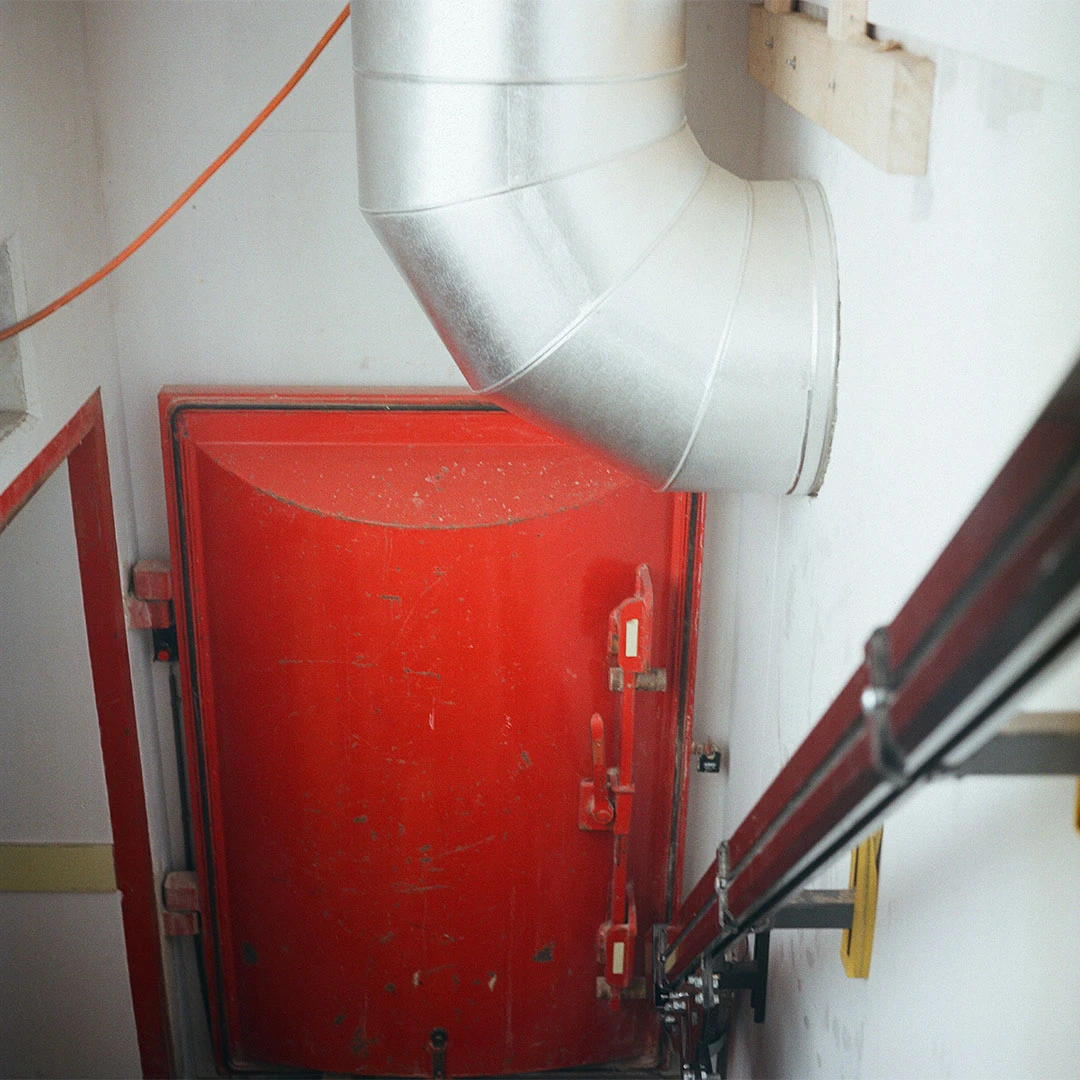
The Netherlands built hundreds of bunkers from WWII and the Cold War, scattered across its coastline and cities. While some are being reactivated in response to current geopolitical discourse, most remain unused. We spoke to Lounes Doulache (also known as Vox supreme), who together with Joris Hoefnagel (Cosmox) and Stefan Hagesteijn moved into one of these former nuclear bunkers in The Hague back in 2018. Named ‘De Schenk’, the location housed the office of The Crave and the Intergalactic FM radio show Onderwereld. ‘As soon as we saw that space, we knew we had to stuff it with producers’, Lounes looks back. In the bunker, they created their first shared studio environment for artists to rent space. It quickly became a nucleus of electronic music, where producers from across the Dutch scene converged and found fertile ground.
But, as with all anti-squatting agreements, the building was set to be renovated and repurposed as a homeless shelter, meaning at some point the community had to leave De Schenk because of development. A 48-hour goodbye radio stream marked the end of the space. Residents left with heavy hearts and no clear alternative for where to continue working. Lounes recalls: ‘It was very sad. The space was more alive than ever. It all grew organically, and suddenly we had no space to go.’ He adds: ‘The media picked up the goodbye stream, and people started to understand the gravity of how often this happens.’ Yet the dislocation of the community remained unresolved.
Nomadic scenes, unstable infrastructures
Yet, despite the overflow of creativity, a larger infrastructure that supports these scenes is missing. Like many cities, musical and artistic initiatives struggle to secure long-term spaces for production and development. Mostly, these independent communities find themselves occupying spaces with temporary agreements that prevent squatting before these venues are eventually demolished for city development. This is the so-called anti-squatting market that’s prevalent in all major cities of The Netherlands. A phenomenon making long-term growth impossible, while only enabling short-lived bursts of activity.
The Netherlands built hundreds of bunkers from WWII and the Cold War, scattered across its coastline and cities. While some are being reactivated in response to current geopolitical discourse, most remain unused. We spoke to Lounes Doulache (also known as Vox supreme), who together with Joris Hoefnagel (Cosmox) and Stefan Hagesteijn moved into one of these former nuclear bunkers in The Hague back in 2018. Named ‘De Schenk’, the location housed the office of The Crave and the Intergalactic FM radio show Onderwereld. ‘As soon as we saw that space, we knew we had to stuff it with producers’, Lounes looks back. In the bunker, they created their first shared studio environment for artists to rent space. It quickly became a nucleus of electronic music, where producers from across the Dutch scene converged and found fertile ground.
But, as with all anti-squatting agreements, the building was set to be renovated and repurposed as a homeless shelter, meaning at some point the community had to leave De Schenk because of development. A 48-hour goodbye radio stream marked the end of the space. Residents left with heavy hearts and no clear alternative for where to continue working. Lounes recalls: ‘It was very sad. The space was more alive than ever. It all grew organically, and suddenly we had no space to go.’ He adds: ‘The media picked up the goodbye stream, and people started to understand the gravity of how often this happens.’ Yet the dislocation of the community remained unresolved.


Where visions align
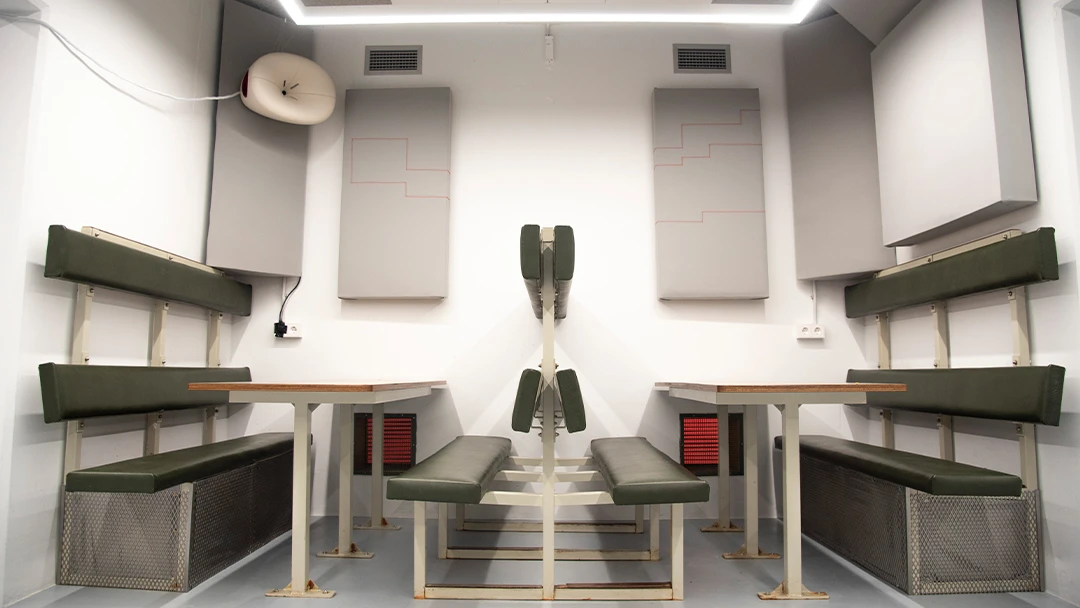
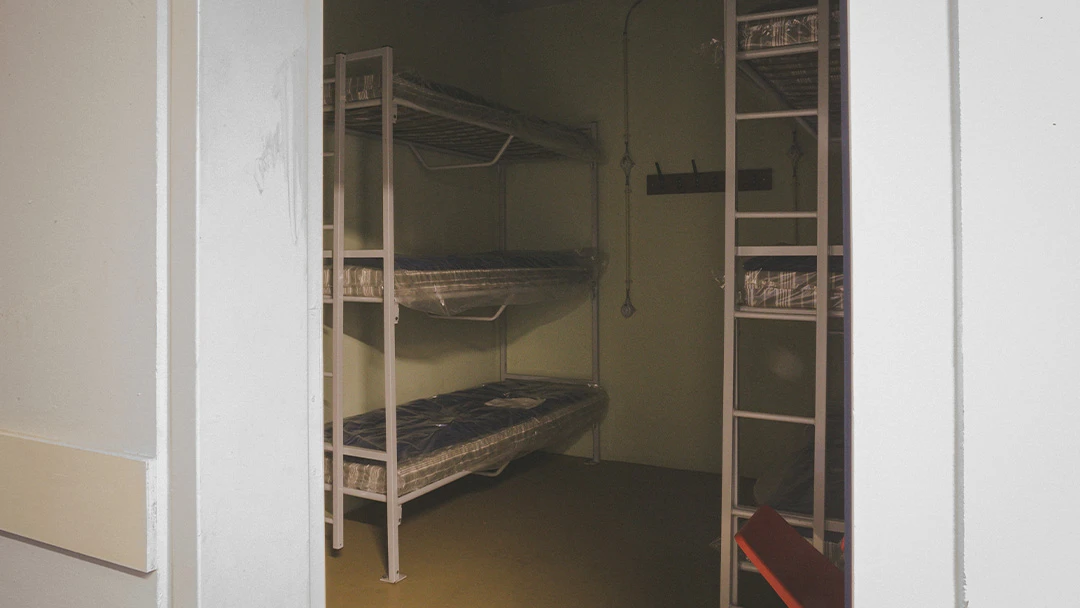
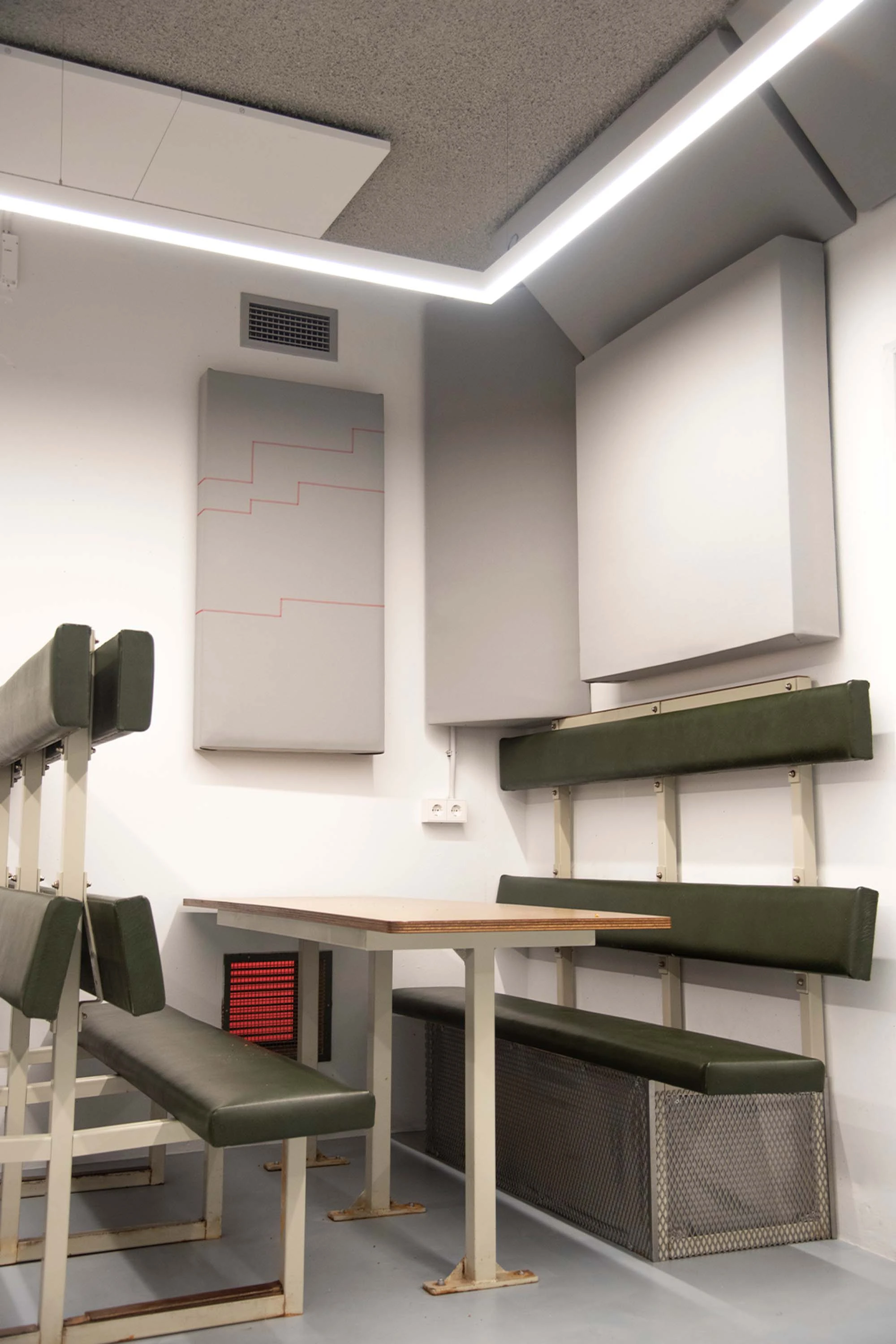
With renewed energy from the 24-hour livestream, the group approached the municipality to request a new space. After a long chain of word-of-mouth referrals, Lounes, Joris, and Stefan were surprisingly offered a new, larger bunker option. The space, with 80s canteen furniture, showers and bunk beds, had remained largely untouched for decades. It was maintained by the government and largely unused, aside from ongoing costs related to moisture issues resulting from a flood. At the same time, the City Archive of The Hague was searching for a new location capable of maintaining a stable climate for archival preservation. Lounes explains how these two worlds collided: ‘Someone within the municipality came up with the idea: why don’t we combine those two destinations? By combining two purposes, a plan took shape that contributed to two objectives, making it easier for the municipal council to approve.’ A soundproof, climate-controlled underground space became the shared requirement. Remarkably, the site is located just a two-minute walk from The Hague Central Station, in the very centre of the city. No outskirts, no plans for demolition in sight. This became the foundation for what is now Subterra.
A reaching hand from the government
We speak with Saskia Bruines, Alderman for Culture in The Hague: ‘Space in The Hague is scarce, so creating affordable space for musicians and creative makers is not always easy. However, as a municipality, we believe it is of great value that both emerging and established musicians literally get the space to develop and meet each other.’ Together with a team of advisors and in coordination with the cultural real estate department, she and her predecessor played a driving role in the project. Besides creating a fitting space for musicians and the City Archive, the goal was to preserve a piece of The Hague’s Cold War heritage and keep it accessible.
Bruines elaborates on its impact across creative, musical, and entrepreneurial fields: ‘In The Hague, we view creative breeding grounds as an indispensable engine for a vibrant city. Therefore, the creation of breeding grounds for music, fashion, and art is anchored in the Breeding Grounds Policy. By bringing together creators from different disciplines and stages of development, a unique cross-pollination emerges that goes beyond art or entrepreneurship. This synergy stimulates innovation in The Hague and strengthens the socioeconomic development of the entire region. In this way, the city is building an inspiring climate where creativity and entrepreneurship go hand in hand.’
Rather than pushing breeding grounds towards the city’s outskirts, The Hague actively integrates them into new urban developments through its Breeding Grounds Policy (Dutch only). Spaces are designed to grow alongside the city’s expansion, with new housing and neighbourhoods now expected to include cultural and creative infrastructure as part of their development. Besides the Breeding Grounds Policy, the municipality of The Hague also works through its Night Vision plans (Dutch only), supporting music and nightlife culture as part of a broader framework aimed at strengthening the city’s cultural ecosystem. A policy that has led to inventive projects like Subterra.


Building Subterra
So then, after a unanimous vote in favour of the plan, Subterra was born. The implementation of the plan? That was entirely up to the team formed by Joris, Lounes, Stefan, Marieke McKenna, Benjamin Havenaar, and others involved. Saskia Bruines explains: ‘We share a common interest: creating space for creativity, professionalisation, and experimentation. The municipality provides the space and the necessary conditions, while the creative partner - in this case, Subterra is responsible for the content, usage, and dynamism.’ The renovation of the two bunker floors was approved and funded by the government. ‘After that, a long breath was needed’, as Lounes looks back.
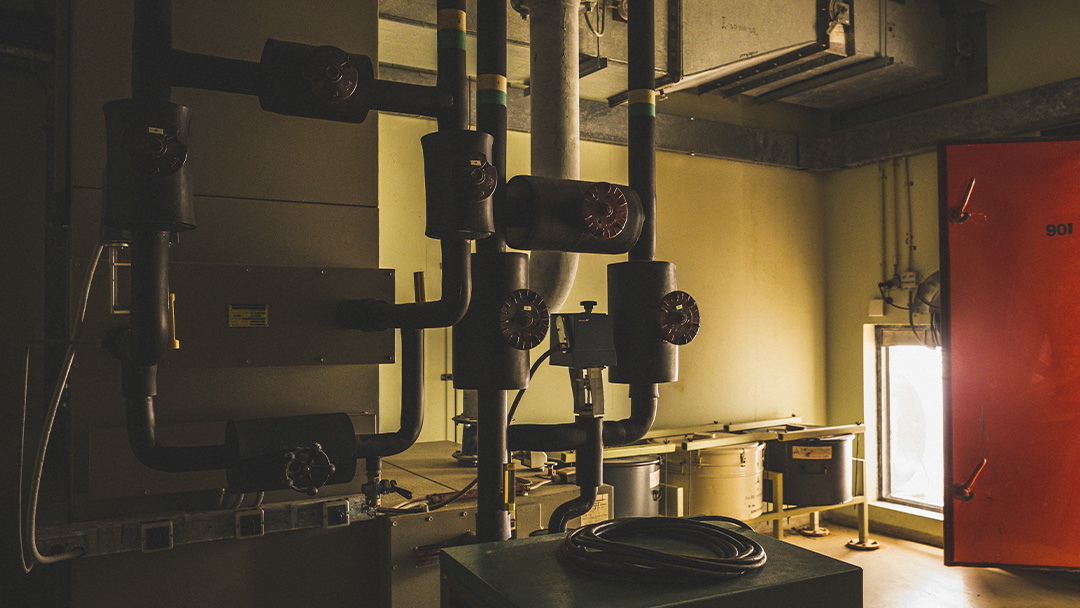
The bunker’s renovation took some time. Walls were removed, the electrical system was installed and adapted to the new function, outdated components were demolished, waterproofing was arranged, and a new emergency exit was added. When a new city council was installed, they had to convince them all over again about the value of the space. The pandemic also swept through. People involved moved on to other things, found new projects. ‘At times, we wondered: Is this ever actually going to happen?’ But it did. After seven years of dialogue and development, Subterra opened, sharing its doors with The Hague’s City Archive. A destination where preservation and cultivation go hand in hand.
From space to system
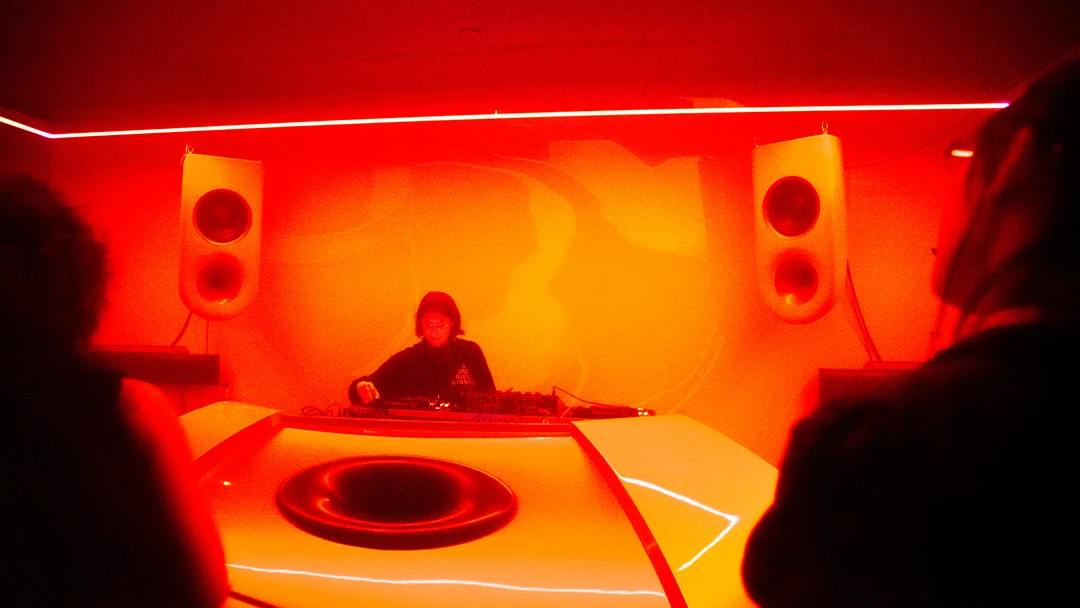
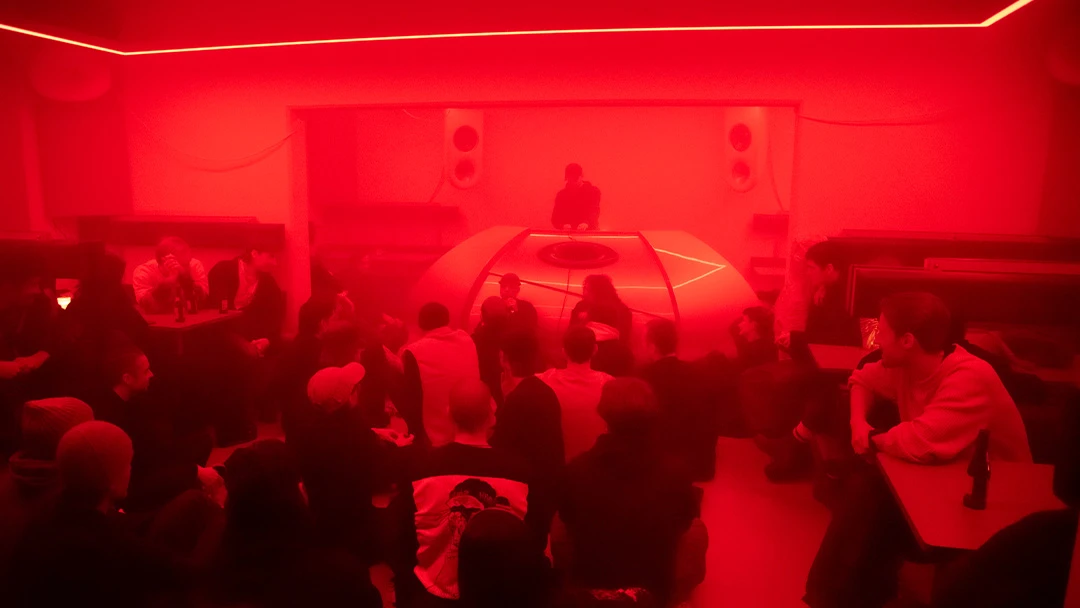
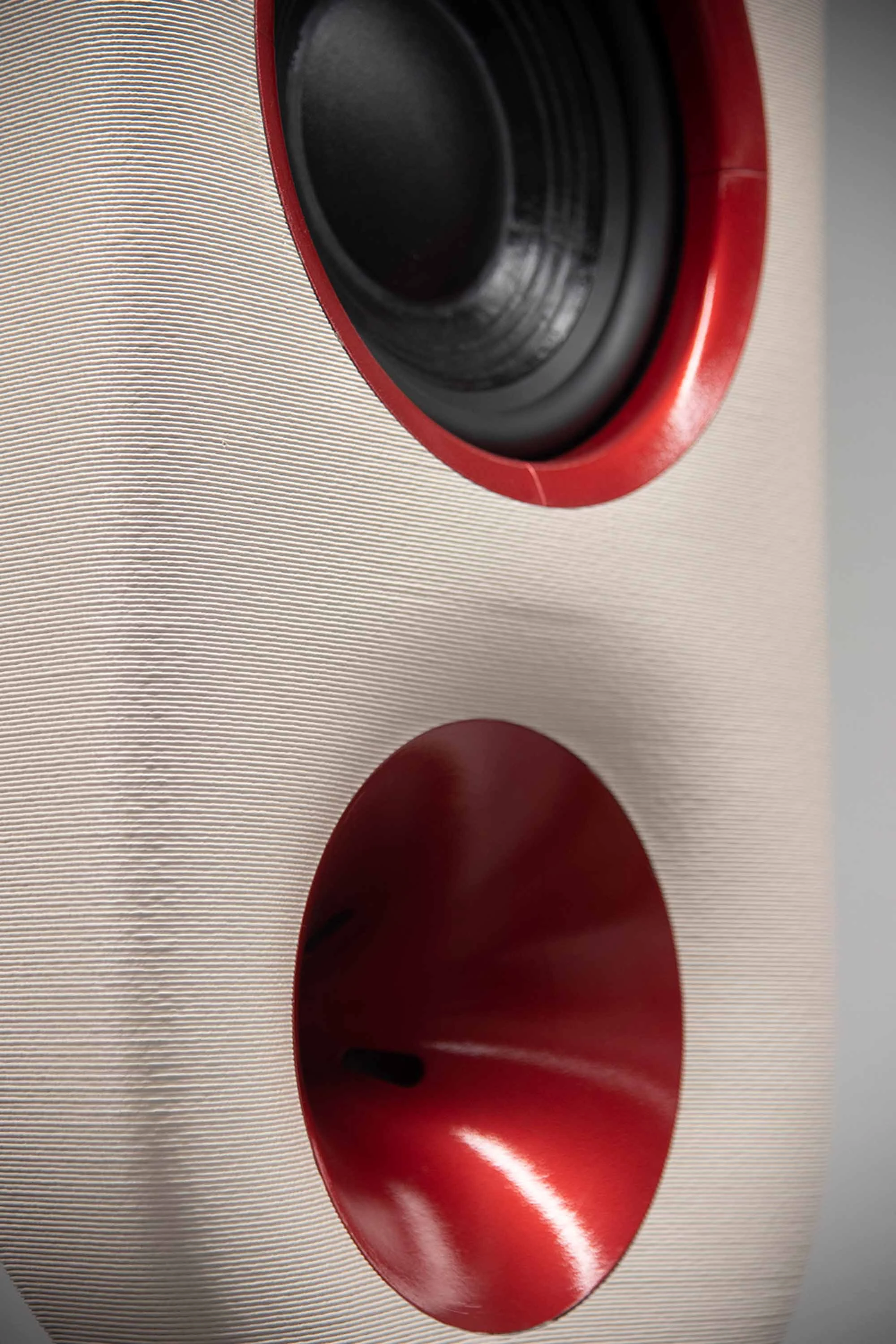
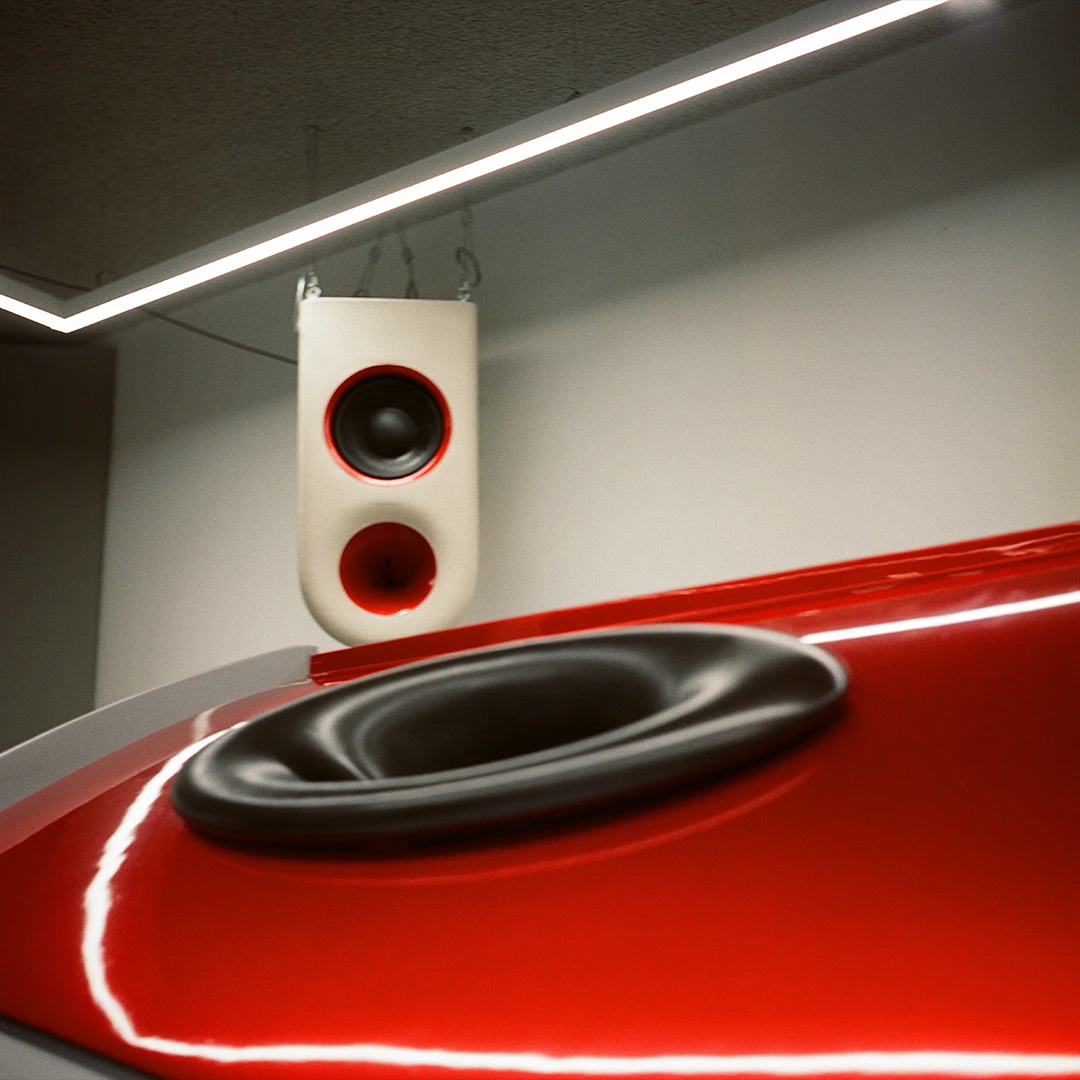
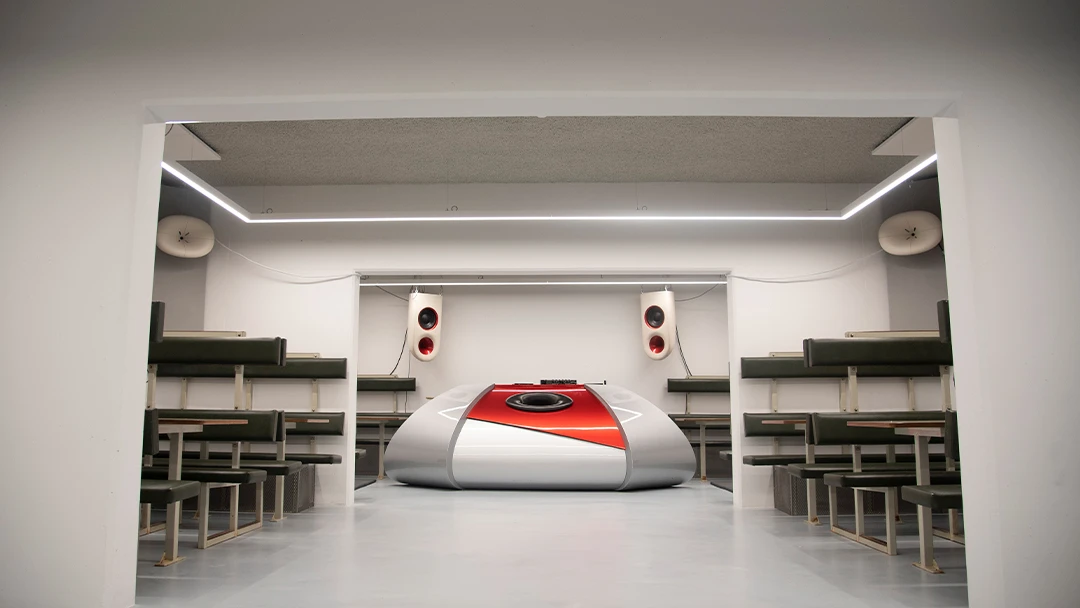
When walking through the space now, the bunker looks like something from the past and the future at the same time. The heart of Subterra is De Kern, the old canteen space. On the sides are the original canteen tables and benches, the walls are covered with selfmade sound panels, and the eye catcher is a futuristic, shiny DJ booth with a 3D-printed custom Addit soundsystem in the middle of the room. De Kern is where communal events will take place, such as listening sessions, workshops and maybe in the future, a radio station. Around De Kern is the hallway with 17 music studios where 65 musicians and producers can work on their creative projects.
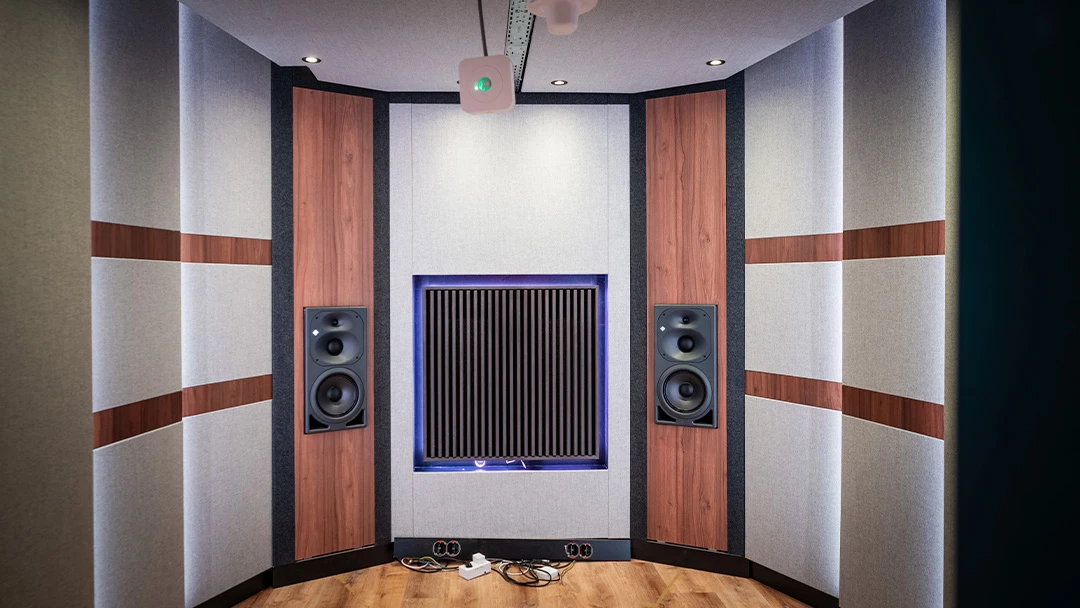
To build enough support from the government, focusing solely on electronic artists wasn’t sufficient. The bunker needed to become a breeding ground for a wide spectrum of sounds, including bands and hip-hop producers. Next to DJ’s and producers like Talismann and Spekki Webu with normal studios, Dutch band Goldband rents one of the three ‘box-in-box studios’: studios where a ‘floating’ space is placed in the space to create the purest, most undisturbed sound. Delft-based Spekki Webu was the first to present the Echoes from the Core session, a listening concept inspired by a favourite album of the artist. Jon Hassel’s Aka/Darbari/Java: Magic Realism was his pick. Beyond programming from within, city festivals like Rewire already hosted parts of their programme in the communal space of the bunker.
With a contract of at least 10 years and the promise to extend if the project keeps running as it does today, Subterra is set to become the pinnacle of music infrastructure in The Hague, and perhaps beyond. In the end, function is not designed – it is produced through use. The Subterra team understands how to activate and nurture the talent that defines The Hague.

Preservation and cultivation in harmony
Subterra is not just a solution to a local space problem. It exposes a structural tension many cities are facing: how can long-term municipal planning and fast-moving cultural ecosystems operate in the same rhythm? On one side are municipalities, working with spatial plans, zoning strategies and policy frameworks that stretch across decades. On the other are music communities and creative networks that depend on immediate access to space, flexibility, and informal growth. As cities grow denser and space becomes more scarce, this mismatch is becoming increasingly visible. ‘Think in terms of possibilities rather than obstacles when it comes to municipal real estate. In some cases, ‘difficult’ spaces offer great opportunities for creative use. Users from the (electronic) music industry often have different needs than ‘standard’ users, so they can also make their own spaces in places that aren’t ‘standard’. I would encourage municipalities to look at real estate with an open and different perspective.’ Bruines adds as we reflect on learnings for cities to come.
Two timelines do not necessarily have to conflict. In The Hague, a vacant nuclear bunker designed for entirely different functions became a shared solution once it was reinterpreted through multiple lenses: cultural, archival, technical and political. A City Archive and an emerging music community, two systems that would normally operate separately, were aligned through a single spatial decision. For creative communities, the lesson is equally structural. The Subterra trajectory shows how collective organisation, long-term persistence and engagement with institutional processes can eventually translate into access to space. The years of displacement, the 48-hour farewell stream, and the eventual alignment with the City Archive are not separate events, but part of a longer negotiation between visibility and infrastructure.
Thinking in possibilities
For cities more broadly, the implication is that nightlife and experimental culture do not disappear when space is lost. They relocate, fragment, or go underground again. The question is not whether these ecosystems continue to exist, but under what conditions they are allowed to do so. Subterra suggests that synchronization is possible, but not automatic. It requires a shift away from seeing culture as an external sector that needs to be accommodated, and toward understanding it as part of the city’s operational fabric itself. In that sense, the bunker in The Hague is not an exception. It is a prototype. And the question it leaves behind is not only what worked here, but how many other cities are willing to think in the same way.
“Amplify the underground,” reads the concrete wall as we ascend the stairs, passing the city’s archive floor, into The Hague’s city centre above. The city has always been an important place for pop music, and its electronic music heritage is just as significant. It is now enriched with one more breeding ground for this music culture. Subterra is not just a cultural space, but a shared system where different urban functions and creative practices intersect. It shows what becomes possible when municipalities and creative communities move in sync.


.webp)