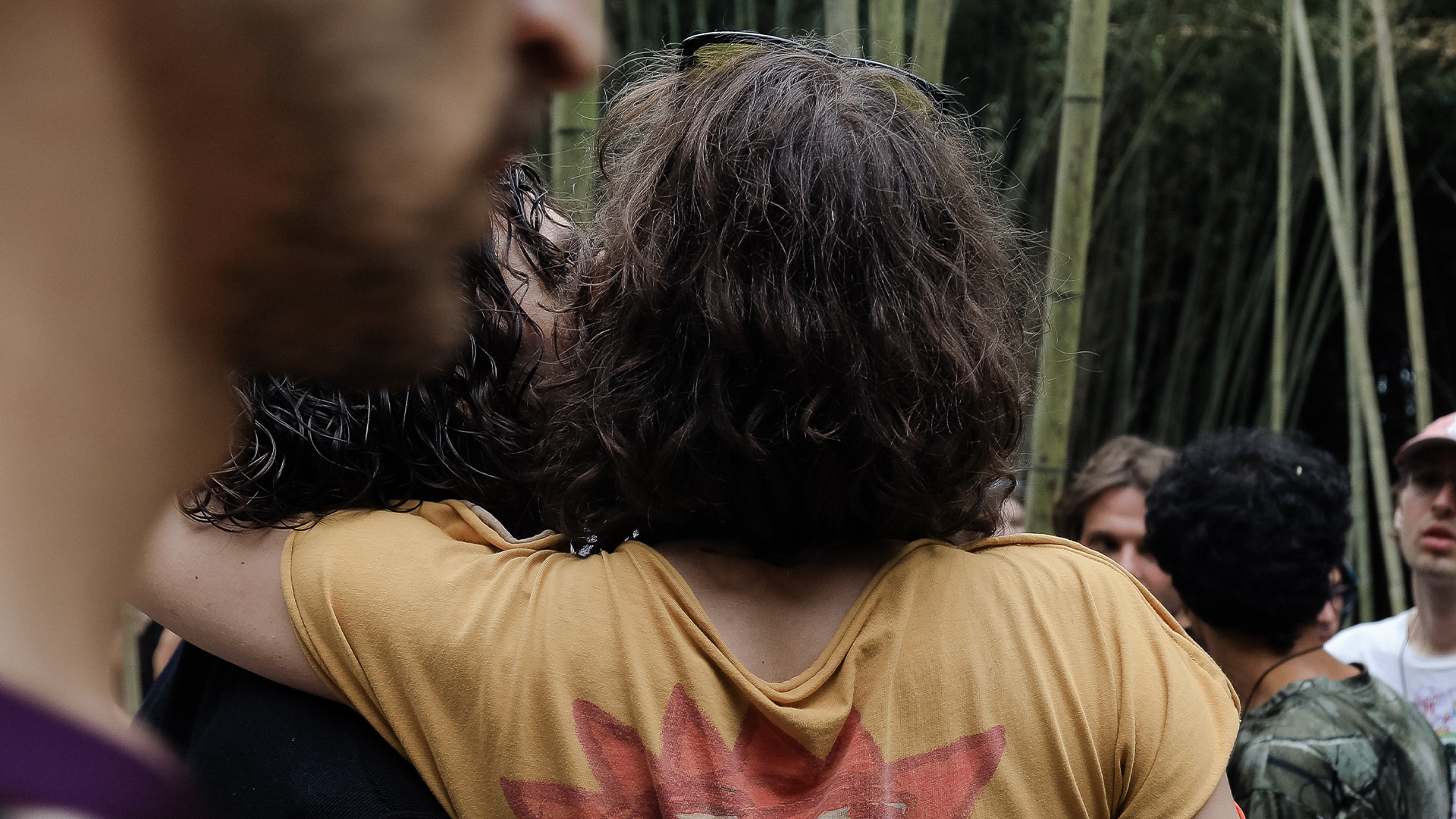
How does a festival care? Within contemporary event culture, care is increasingly used in communication and signage. As it circulates, it risks shifting from practice into representation, with festivals often framed as temporary utopias detached from their surroundings. At Lost Music Festival, care is not a theme but an operational condition shaped by constraint, pacing, and invisible labour. Ahead of its fifth edition, we spoke with the team about how care operates in practice.
Set to take place on 3, 4, 5 July in Fontanellato, near Parma, Italy, the 2026 edition unfolds across the world’s largest bamboo maze – a setting that actively shapes how people move, gather, and listen. Small in scale but deliberate in intent, Lost Music Festival presents a genre-spanning programme that unfolds within this environment rather than around it. Not foregrounding individual names on the roster, the focus remains on how sound and space interact. Yet, what holds together the annual gathering is less visible: the practices behind the scenes, shaped through care, constraint, and coordination.
The maze as constraint
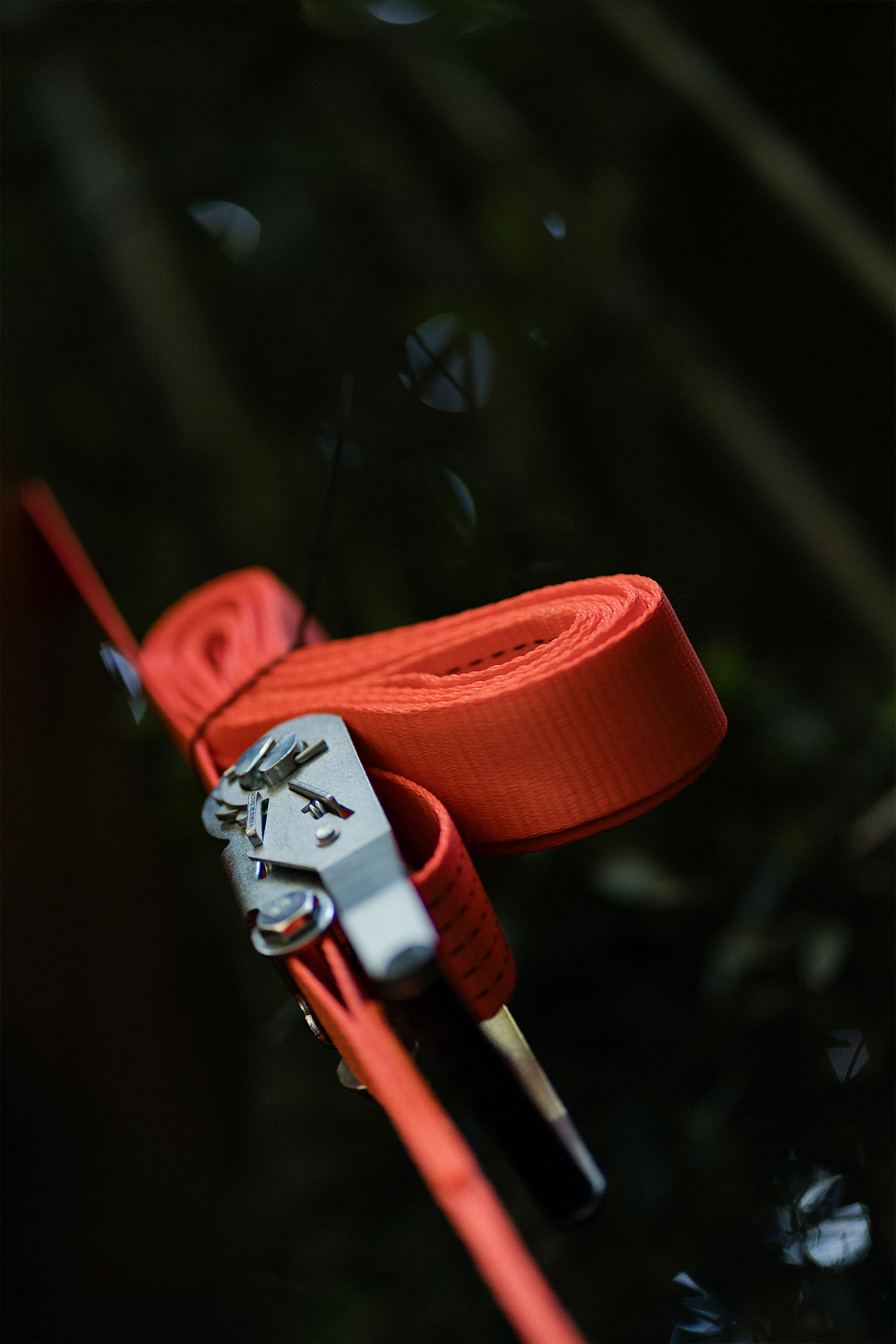
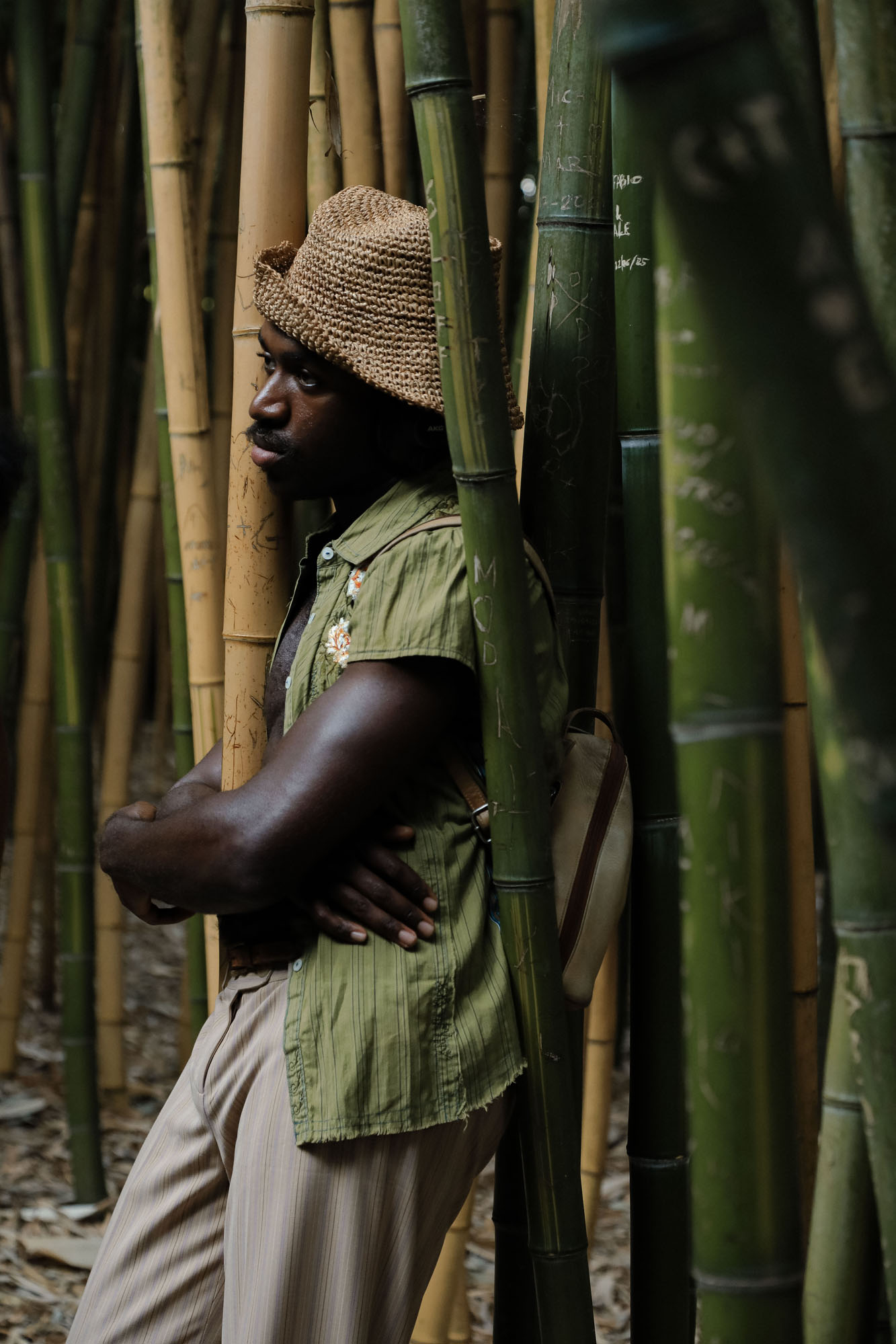
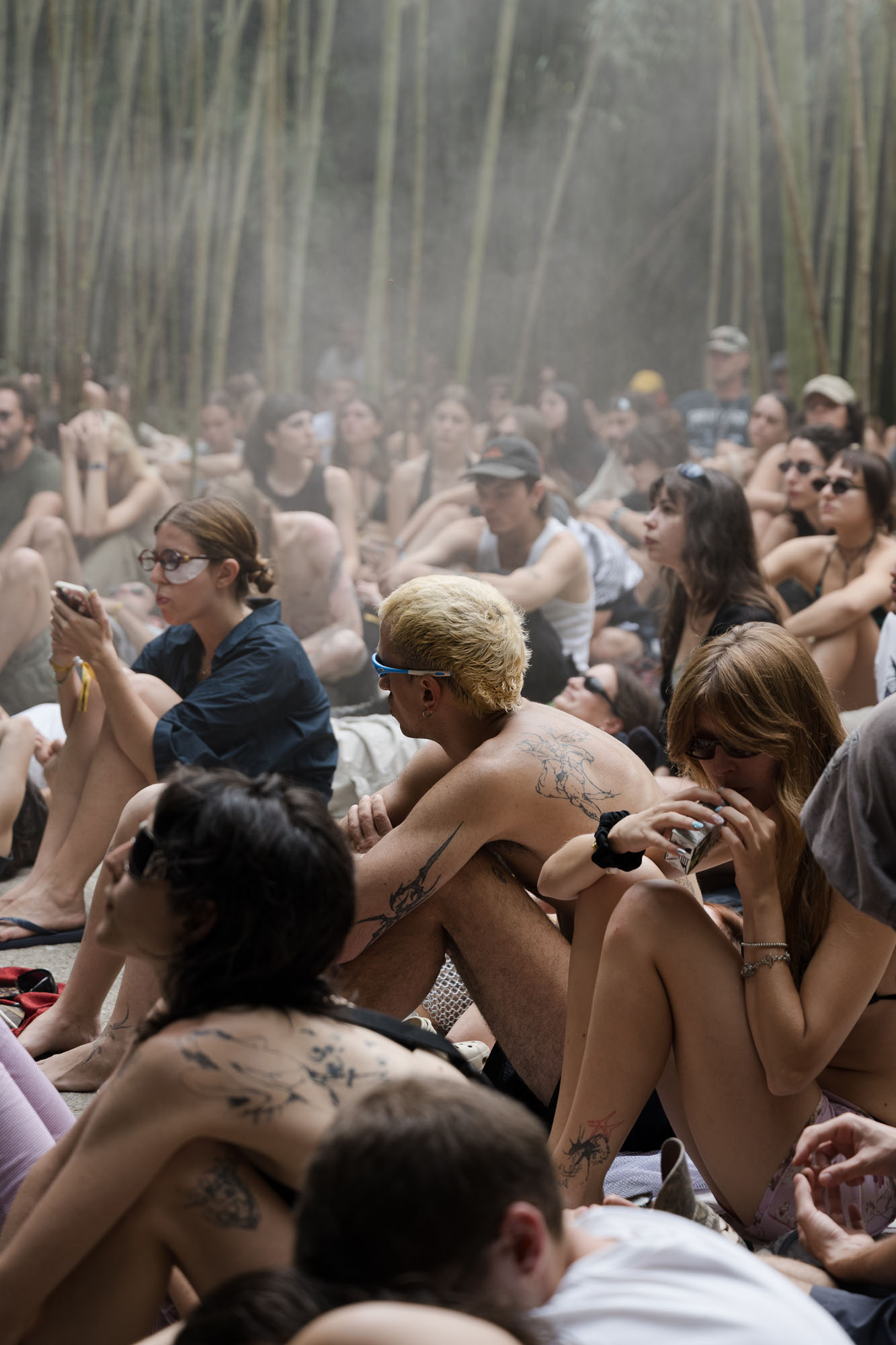
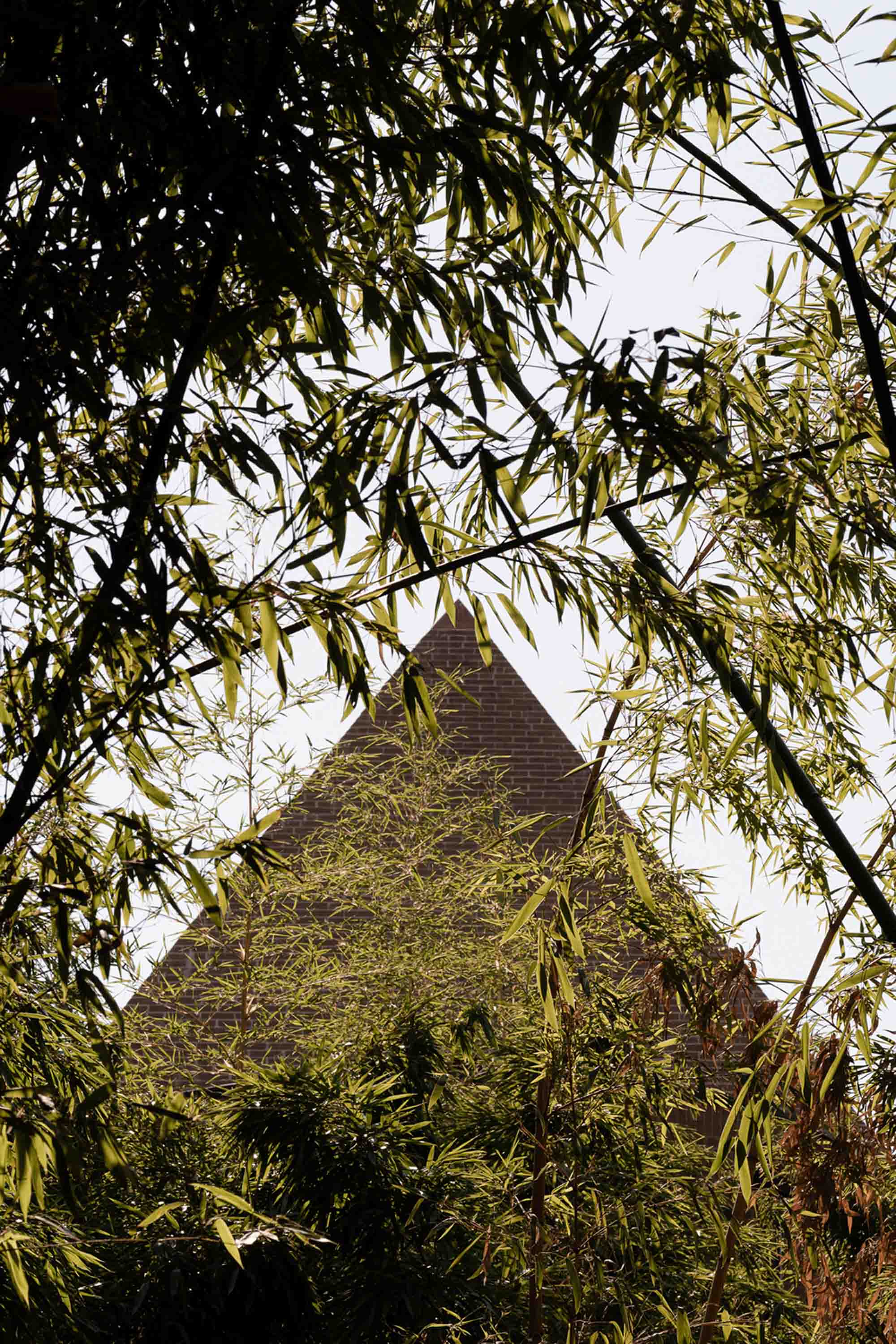
The Labirinto della Masone is not a venue in any conventional sense. With more than 300,000 bamboo plants forming paths and openings, it is a living environment that cannot simply be adapted to the needs of a production plan. ‘The narrow corridors and small clearings force us to integrate the festival into the maze rather than imposing new stages or areas,’ explains Luca Giudici, Artistic Director. Routes cannot be widened, and stages cannot be placed wherever sightlines demand. ‘We constantly adapt to it,’ he continues. ‘Spatial constraints literally dictate our aesthetic.’ Rather than seeing these limitations as obstacles, the team treats them as part of the festival’s identity. The labyrinth shapes how people move, gather, and encounter one another, becoming an active component of the experience rather than a backdrop for it.



'Care begins before anyone even sets foot in the labyrinth'
The Labirinto was designed by the publisher and designer Franco Maria Ricci specifically as a place to lose one's bearings. 'Every now and then, I rewatch an interview with Ricci where he talks about being deeply fascinated by the unknown – by everything that lived, as he put it, 'on the margins of the norm’,' says Giudici. It’s a philosophy that has become fundamental to the festival itself. 'Disorientation imposes a kind of surrender,' says Giudici. 'People become more receptive, not only to the experimental sounds, which are a huge component of the curation, but also to one another. The absence of familiar coordinates draws the audience into a shared, collective intimacy.'

The invisible frequency
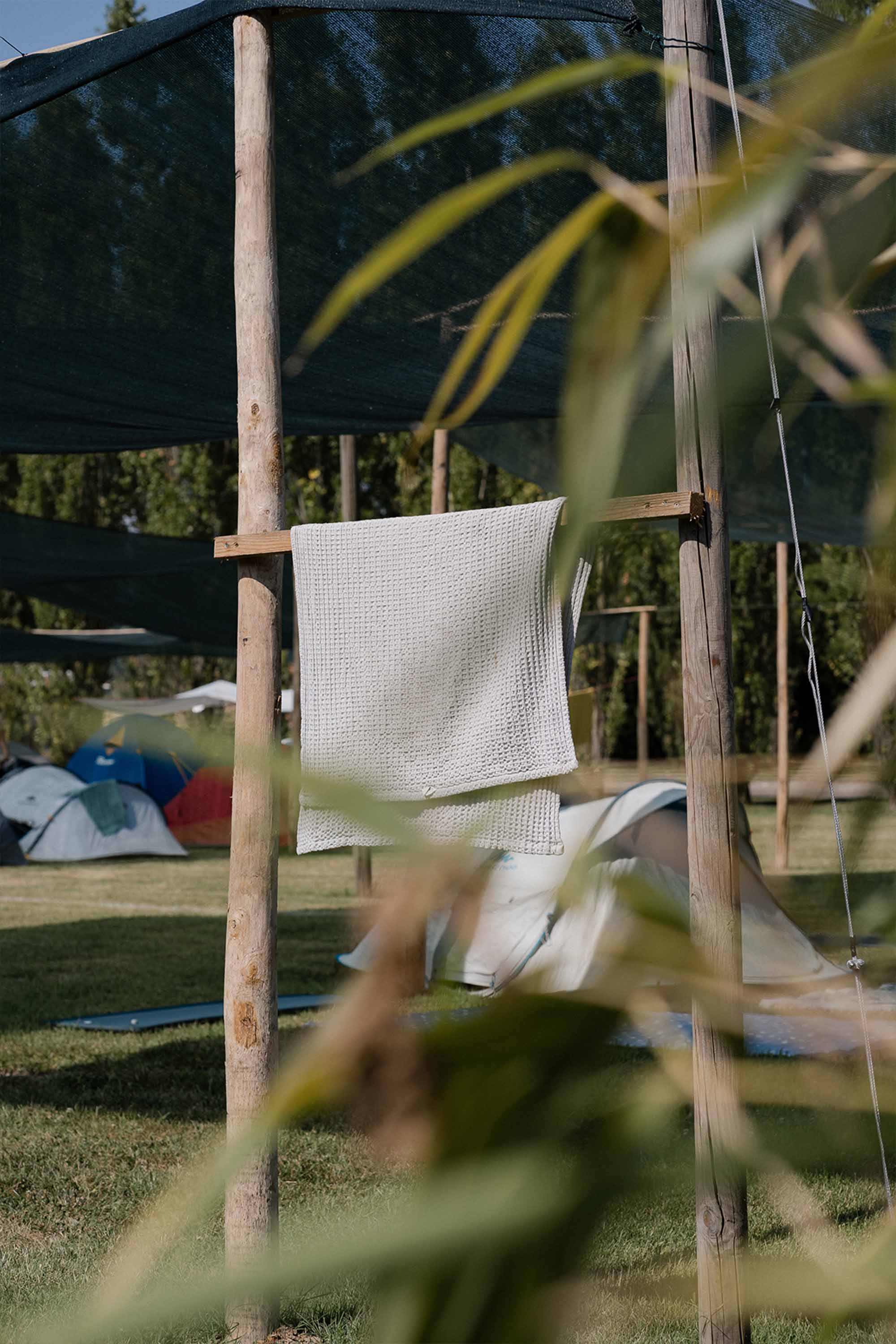
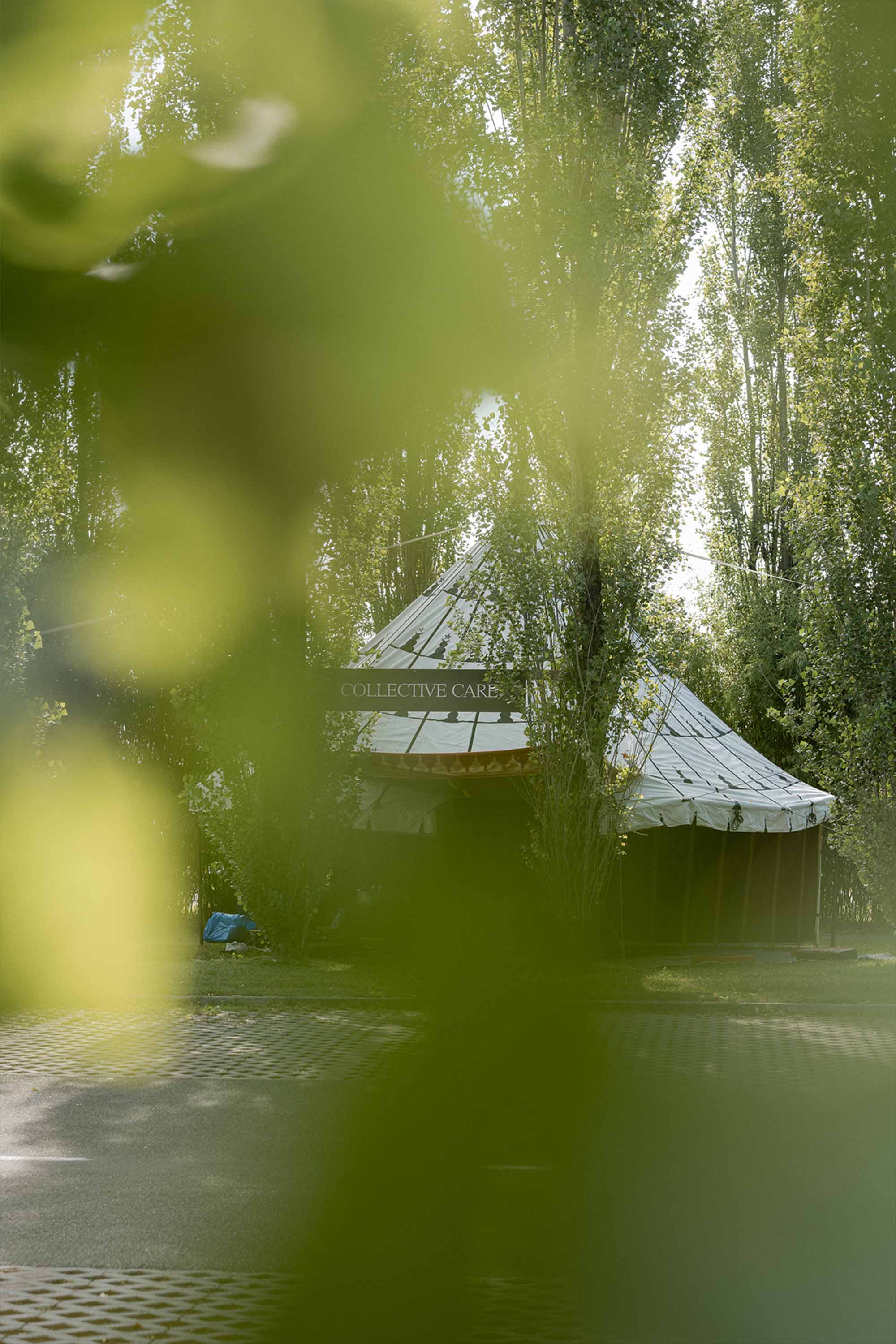
The act of care starts at the level of design. It is embedded in the blueprint rather than added afterwards. ‘It’s a mindset,’ says Manuella Gama Malcher of Mens Ex Machina. ‘It might not be visible, but you can feel it when the team behind the scenes is professional and well-aligned.’ Inside the campsite and care area, Mens Ex Machina works together with social camping organisation La Campeggia to provide a structured environment for rest, recovery and support within the festival layout. ‘The campsite is a place to take a rest and experience the festival in a more peaceful way than the dance floor or the pit,’ says Gama Malcher. Federica Marie Carenini, who runs La Campeggia, describes it as a space where visitors can create their own ‘safe haven’ within the festival environment.
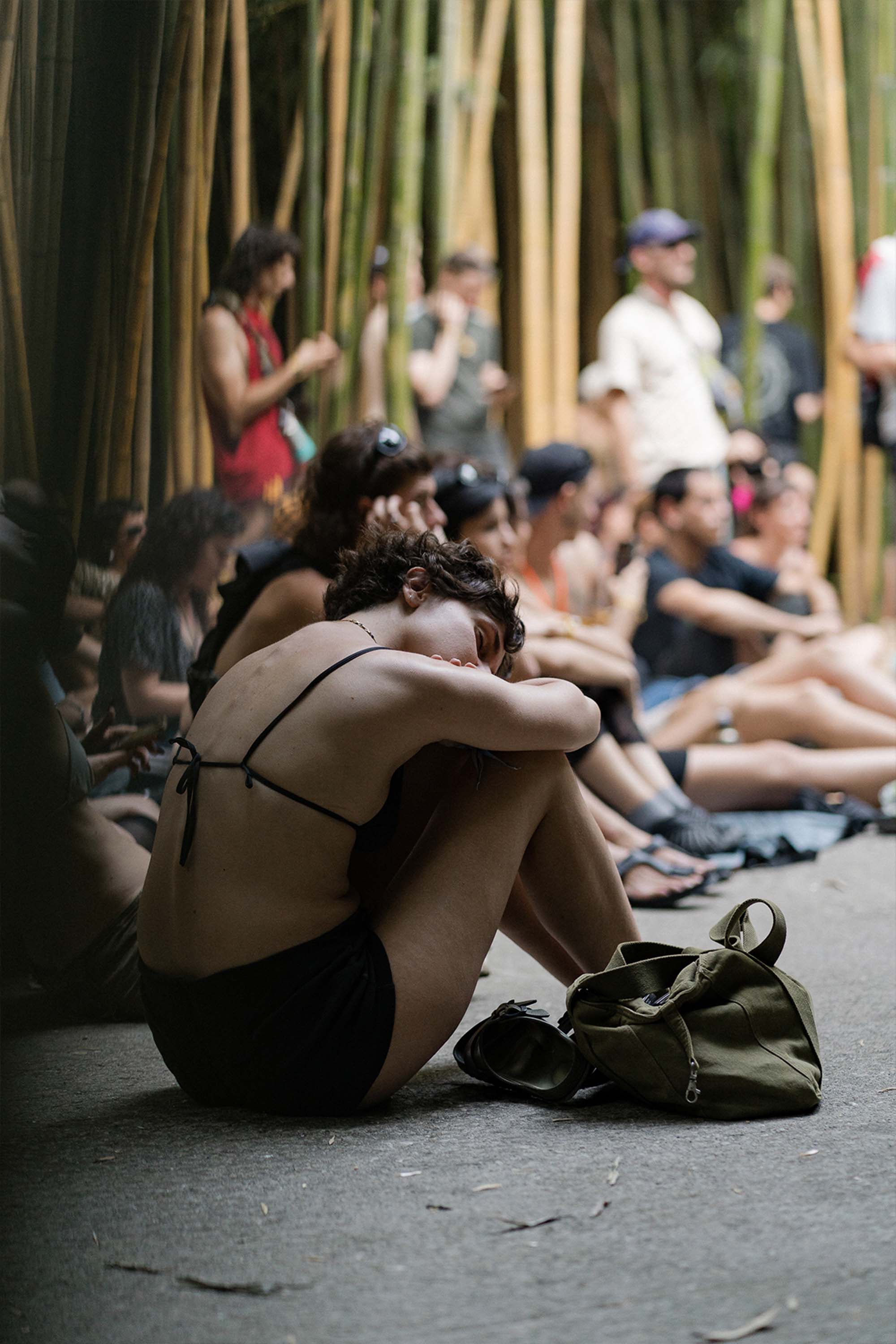
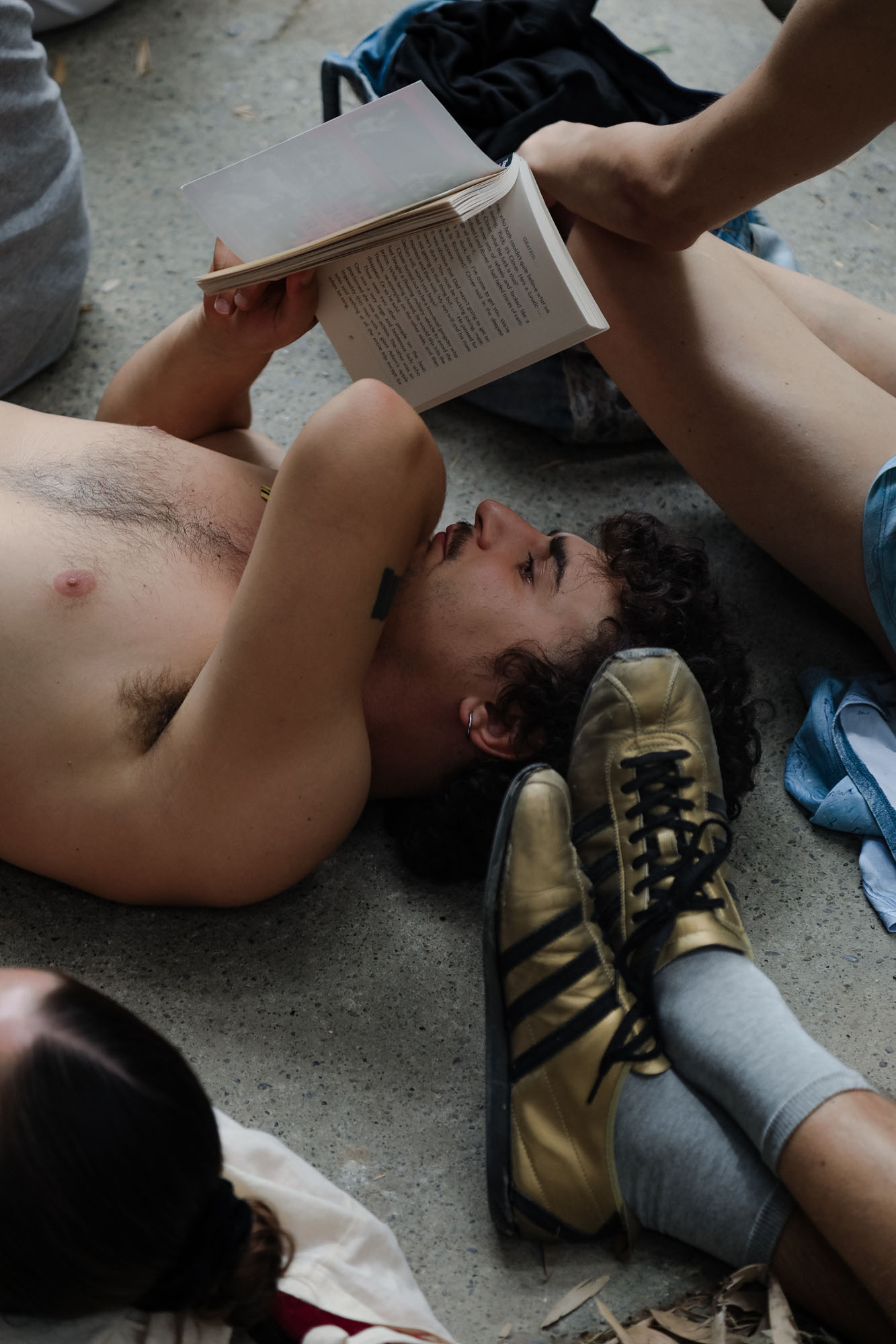
Inside the chill-out area designed by Mens Ex Machina, festival-goers find harm reduction and psycho-social support, cushions, hot tea throughout the night, shade during the day, and a small book selection. The space remains open into the morning, when the stages have closed. ‘We believe that the end of the night is a very delicate moment for festival-goers, perhaps the moment when acts of care are needed the most,’ Gama Malcher says.
The invisible frequency
The act of care starts at the level of design. It is embedded in the blueprint rather than added afterwards. ‘It’s a mindset,’ says Manuella Gama Malcher of Mens Ex Machina. ‘It might not be visible, but you can feel it when the team behind the scenes is professional and well-aligned.’ Inside the campsite and care area, Mens Ex Machina works together with social camping organisation La Campeggia to provide a structured environment for rest, recovery and support within the festival layout. ‘The campsite is a place to take a rest and experience the festival in a more peaceful way than the dance floor or the pit,’ says Gama Malcher. Federica Marie Carenini, who runs La Campeggia, describes it as a space where visitors can create their own ‘safe haven’ within the festival environment.
Inside the chill-out area designed by Mens Ex Machina, festival-goers find harm reduction and psycho-social support, cushions, hot tea throughout the night, shade during the day, and a small book selection. The space remains open into the morning, when the stages have closed. ‘We believe that the end of the night is a very delicate moment for festival-goers, perhaps the moment when acts of care are needed the most,’ Gama Malcher says.
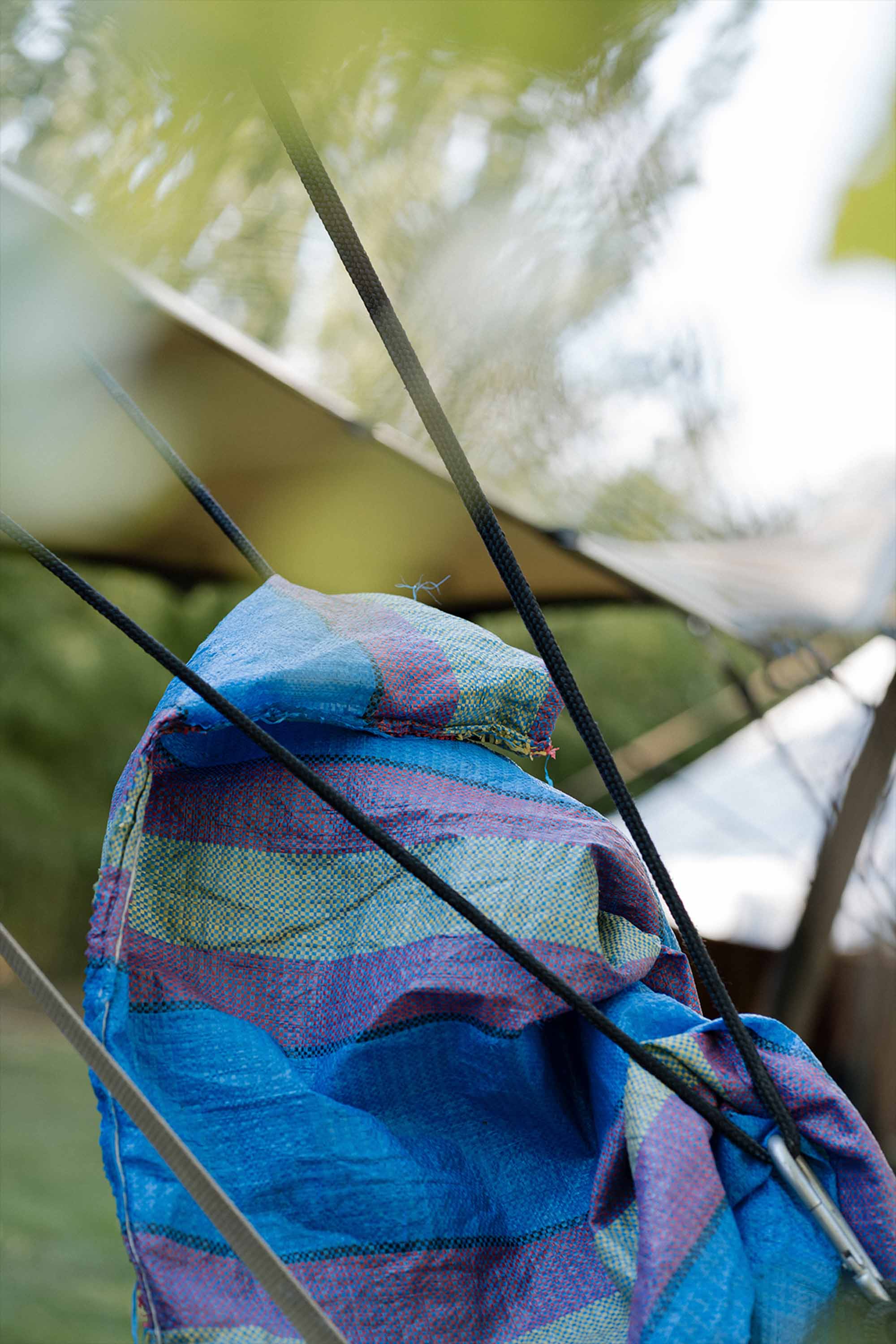
Instead of a rhetorical or aesthetic reference, care is framed as a design principle rather than a service provision: basic needs such as rest, hydration and shelter are treated as core spatial components rather than logistical add-ons. Responsibility is distributed through visibility and presence. ‘The ability of organisers to address and solve unpleasant circumstances,’ Carenini adds, ‘is way more effective when you have a festival with “tiny eyes everywhere”. We have the responsibility of setting the example first – only then can care spread in a more organic way.’
Looking at the festival as a whole, Giudici describes it as a self-sustaining ecosystem that can be linked to Carenini’s organic process: ‘Something happening or developing naturally over time, without being forced.’ It’s this likeminded view on the festival as a living organism that resulted in her involvement back 2024, when Gama Malcher saw the opportunity to include her and improve the camping and care area together. 'What could have been seen as a limit or issue – a service gap in a particularly crucial moment of the festival – actually became a greater opportunity.' Sometimes, the focus is not on expanding what is being done, but on improving what already exists within the given limits.
'We have the responsibility of setting the example first – only then can care spread'
The mechanics of time
‘Care even begins before anyone even sets foot in the labyrinth,’ Giudici explains. ‘It lies in the details: how we build the perception of the space through visual language and worldbuilding, and how we map the mood and timing of each set. These choices dictate how people approach the festival – how they expend energy, how they rest, and how they perceive it as a community space rather than just a standard event.’ The lineup, he insists, is the backbone, but it is not the whole skeleton. True care, Giudici argues, lies in how time is curated during the event. ‘The music here basically marks time where time does not otherwise exist,’ he explains.
‘We actively resist the rush, the noise, and this never-ending obsession with enlarging and expanding,’ says Giudici. ‘Quality over quantity.’ The Italian organisation resists the spectacle of choice that turns the festival into an exercise in impossible scheduling. Hence sets do not overlap, and each artist is given the room to be heard. ‘We demand intentional attention for each artist,’ Giudici says, ‘avoiding the anxiety of constant movement and the burden of having to choose.’
Beyond the bubble
As the festival enters a new chapter, its core principles remain unchanged, including the belief that how a crowd comes together matters as much as the gathering itself. Evolution requires a delicate balance. 'Today, for most people, it seems to mean constantly moving forward,' according to Giudici, 'changing everything and shifting the foundations every single year just for the sake of surprise and spectacle.' What does continuity look like when a festival remains true to its identity and experimental vision? 'We are making a practical choice to put care before scale, prioritising real connection over pure spectacle, and choosing meaning over sheer volume,' he states. This approach is reflected in practice: after the 2025 edition, the festival reduced its ticket capacity to keep the space livable and protect the bamboo forest. For Lost Music Festival, growth means less about expansion and more about refining the conditions that allow the festival to exist.
Lost Music Festival 2026 takes place on July 3rd, 4th, and 5th. Find out more about the festival here.
.webp)

.webp)