What does it mean to be independent today? Within music and the arts, the term is often reduced to freedom from external control, yet in practice it reveals a more complex reality shaped by limitations, choices, and context. As small-scale festivals navigate an evolving landscape, independence becomes less a status and more a way of operating. While in Barcelona, celebrating Mostra’s fifth edition, we spoke with the organisation to explore how such a practice can take shape over time.
Roots beneath the surface
Although not always globally recognized on the surface, Spain, and Catalonia in particular, has a rich and layered electronic music history. From phenomena like the countercultural La Ruta del Bacalao in the 80s and 90s to dozens of raves in the early 2000s, Spain carries a deeply rooted network of electronic music and nightlife culture. These movements left a lasting imprint on the country, resulting in a vast network of underground collectives, DIY spaces, and experimental artists. In Barcelona, often referred to as ‘La Rosa de Foc’ after the revolutionary artistic and cultural uprising of the early 20th century, it is where major festivals like Sonar+D and Mira operate on the international stage. Yet, alongside these larger platforms, the frontier of experimentation continues to thrive outside of established structures – echoing the spirit of earlier countercultural movements, but in a contemporary form.
Depth over scale
For Mostra, independence is not a fixed status but an ongoing practice – one that shapes how the festival operates, curates, and evolves. Originally taking place at the monumental Castell de Montjuïc and Hangar, Mostra now resides at the Olympic Pavilion and Casa Montjuïc. Along the way, the organisation has navigated challenges such as government changes, rising costs, and shifting city policies, while remaining committed to an adventurous and community-focused approach. Remaining at a capacity of around 1,000 people since its first edition, the dancefloor fills each year with returning visitors, artists, and collaborators. As they describe it: “an independent small-format festival of avant-garde and experimental electronic music.” In 2026, the festival reached a new milestone, breaking even while continuing to grow on its own terms. Not in scale, but in depth. What then, sustains a small-scale, self-directed practice in a European city like Barcelona today? A question with no single answer, and one that continues to evolve – but one we explored in conversation with Felix.

'Not being tied to large structures gives autonomy, but what matters is how that autonomy is used'
Independence seems to be a term with many interpretations. What does independence mean in practice for Mostra?
For us, independence is not just a financial condition, but a way of operating and making decisions at every level of the project. Not being tied to investors or large structures gives us autonomy, but what matters is how that autonomy is used. In a city like Barcelona, where many major festivals are part of larger investment portfolios, independence also becomes a conscious position. It’s not about opposing specific events, but about responding to a broader shift in how cultural projects are structured and financed. Independence allows us to curate without external pressure, take risks in programming, and prioritise coherence over profitability. It also means working with local partners, ensuring fair conditions, and building something that responds to what we felt was missing in the city, rather than following market trends. At the same time, independence is collective. Mostra exists because of a community that supports and trusts the project. In that sense, it’s not just about us being independent, but about creating a space where that independence is shared.
As a festival that relies on community and partner support, Mostra has developed a clear identity – small-scale, recognizable, and rooted in the city. How do you maintain that identity while navigating different influences and realities?
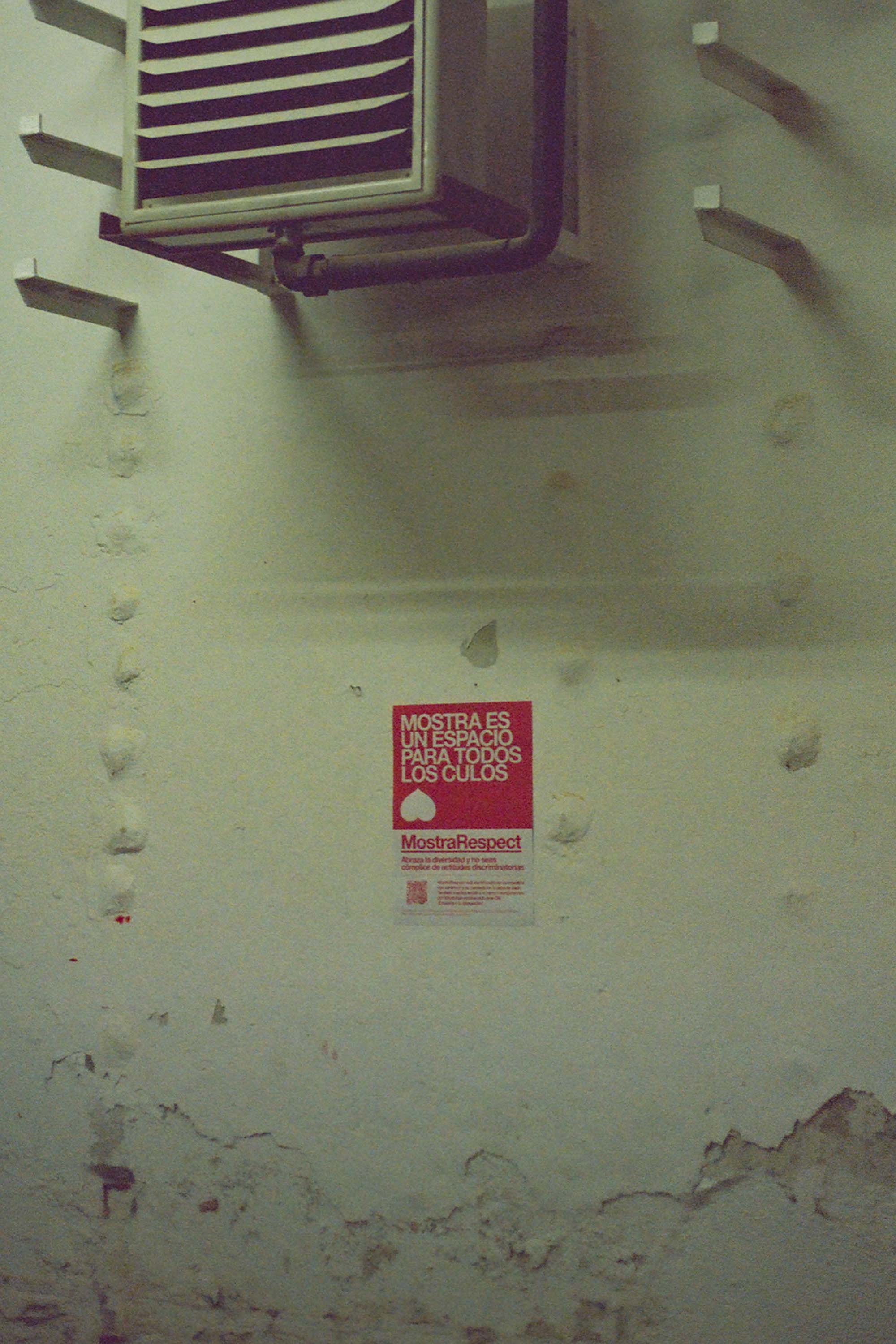
From the beginning, there was an intention to do something different within Barcelona – to focus on listening, experimentation, and narrative rather than names. That identity has developed over time through a mix of intention and process. The curatorial approach was there from the start, but the way it is perceived today is also shaped by the artists we’ve worked with, the collaborators, and the audience that has grown around the festival. Our values play a key role: supporting local artists, working with communities, and paying attention to sustainability and equality are all part of how we operate. In the end, identity comes from consistency.
What’s independence for you while curating?
We don’t build lineups around recognition or trends, but around a narrative. Each edition is conceived as a journey, where different artists contribute to a broader story. This allows us to combine established and emerging artists in a way that feels coherent rather than driven by risk. Over time, we’ve learned to trust both our intuition and our audience. People come to Mostra not only for the lineup, but because they trust the curation. Of course, we still need to sell tickets, so we work carefully across all levels of the festival to make it sustainable. For us, the key is clarity – building a strong narrative rather than just assembling names.
What’s independence for you while curating?
We don’t build lineups around recognition or trends, but around a narrative. Each edition is conceived as a journey, where different artists contribute to a broader story. This allows us to combine established and emerging artists in a way that feels coherent rather than driven by risk. Over time, we’ve learned to trust both our intuition and our audience. People come to Mostra not only for the lineup, but because they trust the curation. Of course, we still need to sell tickets, so we work carefully across all levels of the festival to make it sustainable. For us, the key is clarity – building a strong narrative rather than just assembling names.
Not above, but within
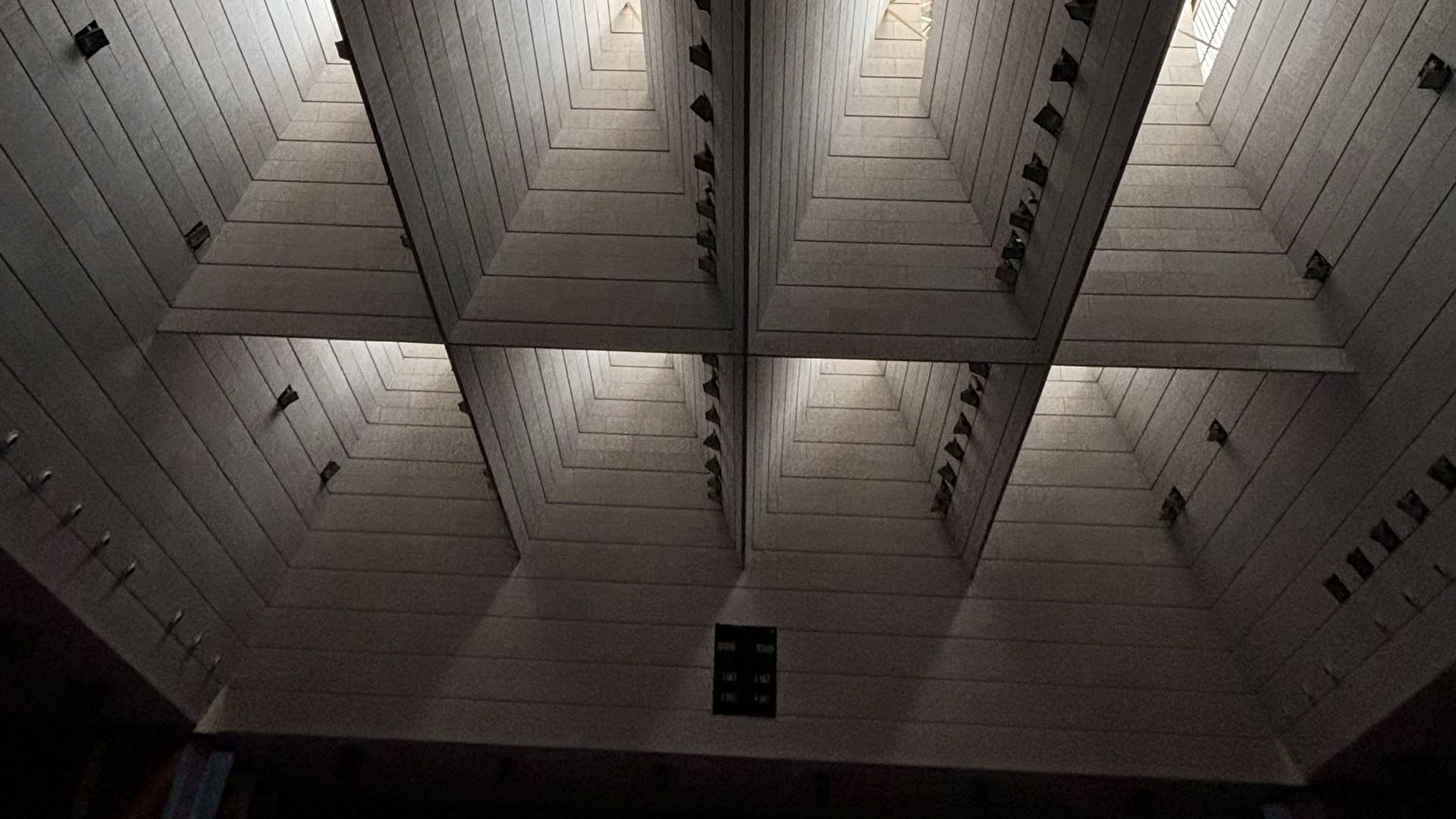
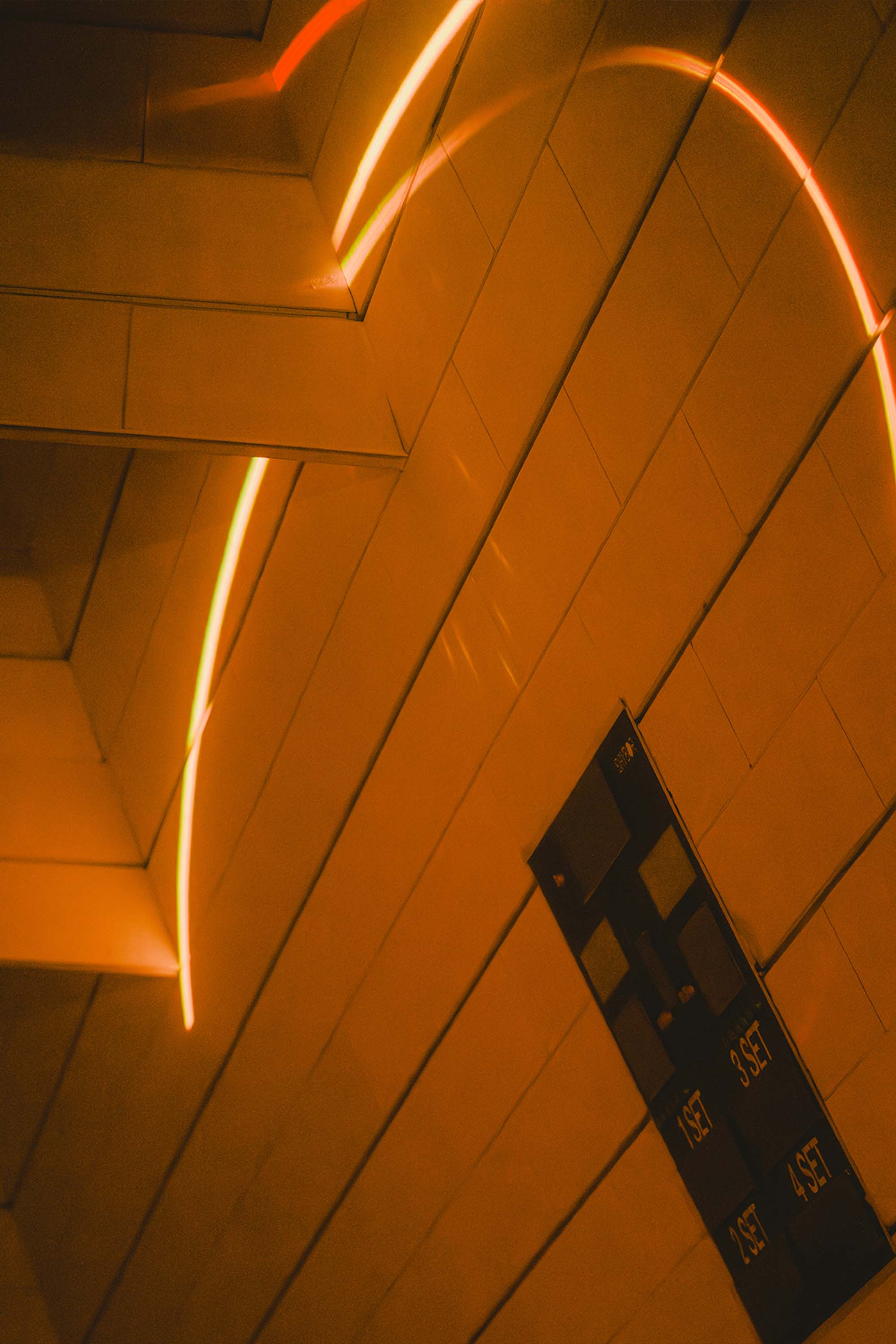
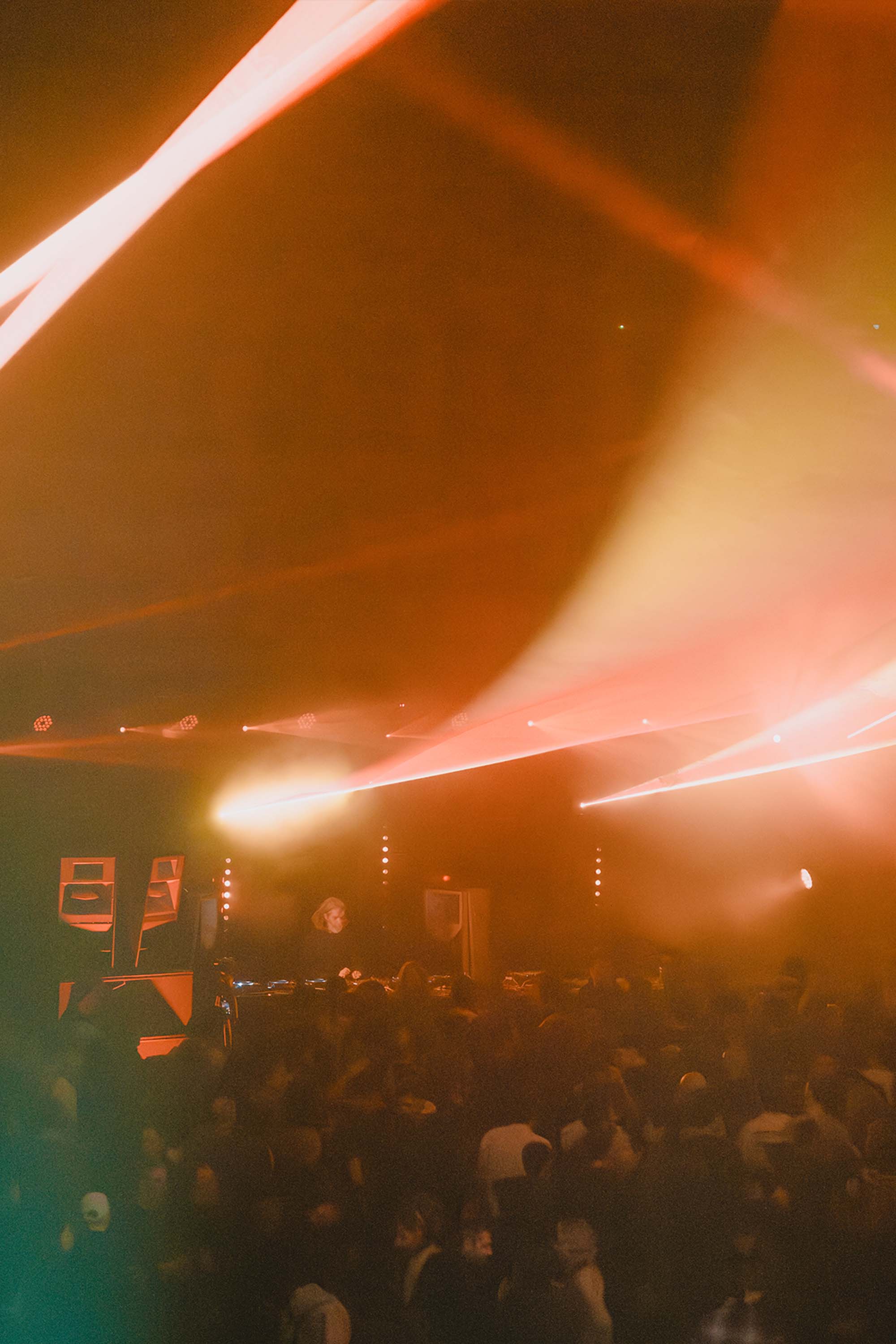
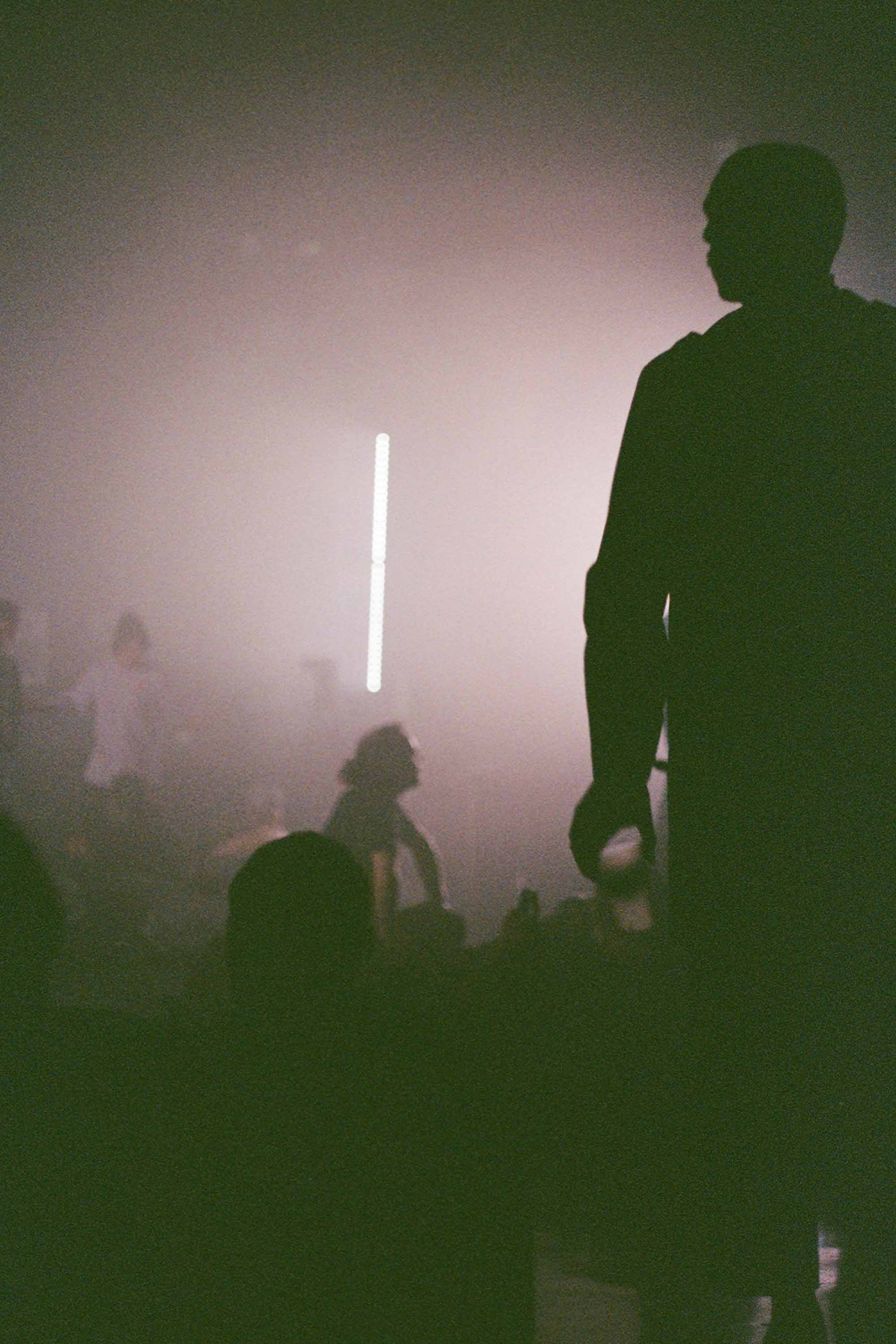
Having attended both the 2024 and 2026 editions, we experienced the festival in striking contrast. One, set on a patio of a 15th-century castle with a sunset over the city; the other, unfolding within a 1990s brutalist Olympic stadium on a grey March day. Despite the shift in setting, it takes little time before you feel part of the same Mostra family, surrounded by familiar faces. There is a continuity that transcends location. Rather than positioning itself as a platform that selects and presents, Mostra operates as part of the scene it exists within, deeply embedded in the city of Barcelona. The festival becomes a space shaped together with artists, collectives, and audiences, rather than an entity that curates from above. There is no center – just a shared ground.
'There are certain values I’d like to share with the world'
Spain has an intriguing electronic music history that resulted in the rich landscape it has today. How do you see Mostra positioned within Barcelona and Spain as a whole?
Mostra is part of a broader ecosystem of collectives, venues, and artists that continue to shape the electronic music landscape in Barcelona and Spain as a whole. We don’t see ourselves as separate from that context, but as something that exists within it. What we try to do is contribute to that ecosystem in a meaningful way – by supporting local artists, creating opportunities for exchange, and building bridges between different scenes. Each year, we invite artists and collectives from a specific country, which allows us to create dialogue rather than simply present a lineup. At the same time, we’re aware that the local context is constantly evolving. There’s a new generation of artists and initiatives emerging, and we feel part of that movement. Mostra is not just happening in Barcelona – it is shaped by it, and in turn, contributes to its cultural vitality.
Community is a term at the heart of many festivals. How would you describe it for Mostra? And how to preserve and nurture this community?
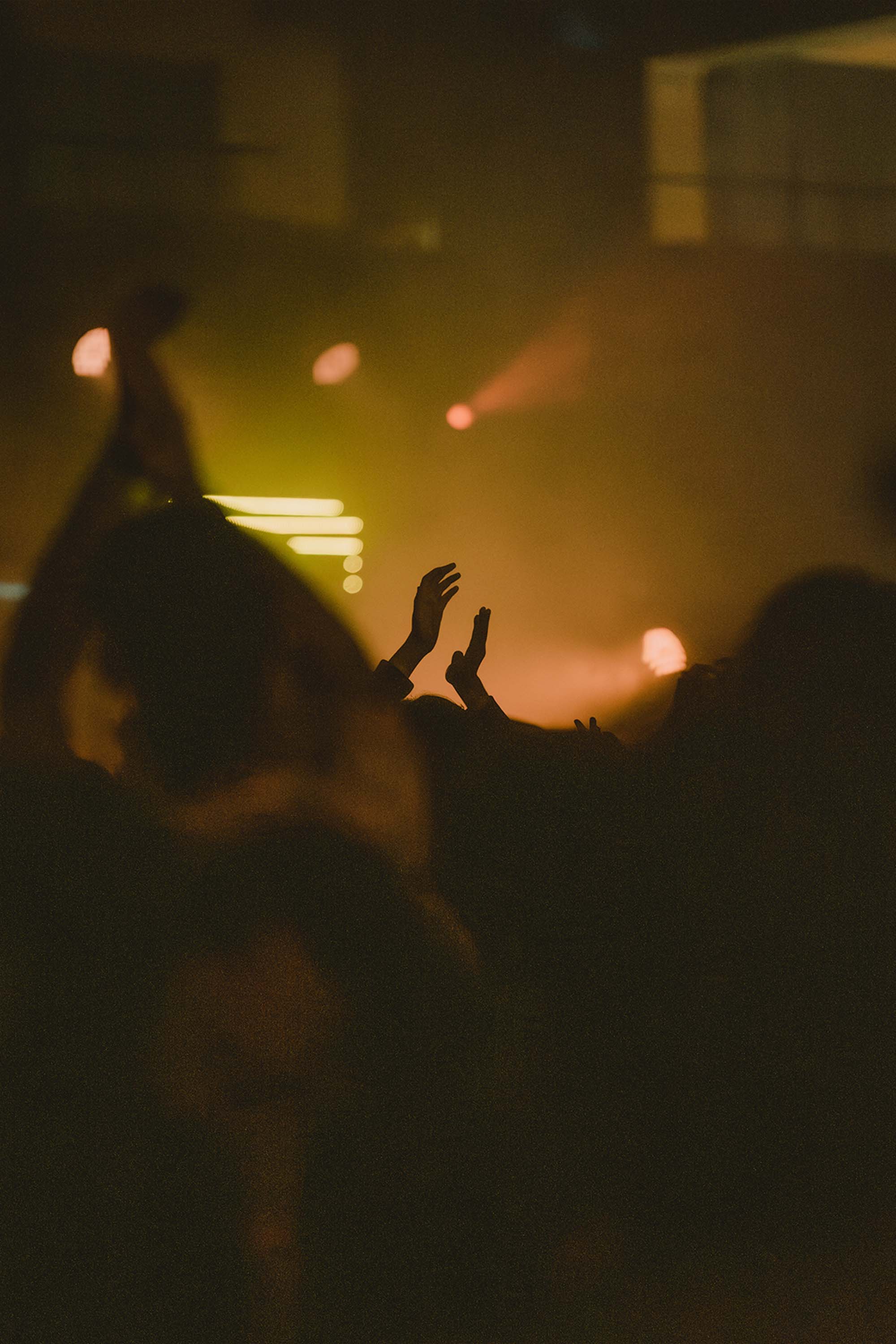
For us, community is built over time through relationships, not just attendance. It includes the audience, artists, collaborators, and local partners. This becomes especially visible during the festival itself. Because of the scale and the single-stage format, everyone shares the same experience. There’s a sense of collective listening and presence that is hard to replicate in larger events. Beyond the festival, initiatives like ExtraMostra, Mostra’m, the Fira, and MostRadio allow us to stay connected throughout the year. These projects create space for exchange and help reinforce a sense of belonging. The fact that people return every year – both in the audience and among artists – is the clearest sign that this community exists.
Tell us – is there still space for small-scale city festivals like Mostra in the future?
We’ve never approached Mostra with the goal of constant growth. From the beginning, the focus has been on sustainability rather than expansion. Staying small allows us to remain coherent and autonomous. At the same time, this model requires a lot of effort. Financially, logistically, and emotionally, it is often very demanding, and every edition depends entirely on our own capacity to make it happen. And yet, when the festival takes place and the dancefloor fills, everything shifts. Seeing people fully engaged makes all the effort worthwhile. The experience feels both intimate and intense. Independent festivals will always operate within certain limits, but that fragility is also what makes them meaningful. As long as there are people willing to support and gather around these kinds of experiences, we believe there will be space for projects like Mostra.
A modern form of counterculture
Independence may be fragile, but so are all things worth preserving. It is less a fixed condition than a way of thinking – perhaps even a philosophy toward the cultural landscape. One shaped by intention rather than external pressure. It starts with reflecting on your values, gathering like-minded people around you, and building a structure that can sustain itself, or at least one you can grow toward. In practice, this approach shapes every layer of the festival – from curation to collaborations and long-term relationships. Independence here is not about isolation, but about how autonomy is used. Every organisation finds its own way to move through the world, but it is the intention behind it that defines the structure.
We look over the dancefloor together as Felix tells us: 'There are certain values I’d like to share with the world. That’s why I stay in it'. Perhaps these values will resonate through the next gathering Mostra is preparing behind the scenes.


